Freelancing for Crypto: How to Receive Web3 Payments and Spend Them Instantly

The Rise of Web3 Freelancing and DAO Work
The global workforce is undergoing a massive transformation. As traditional employment structures give way to flexible, decentralized models, a new breed of professionals has emerged: the crypto freelancer. Whether you are a developer writing smart contracts, a designer creating NFT artwork, a community manager for a decentralized autonomous organization (DAO), or a digital nomad traveling the world, receiving payments in cryptocurrency has become the new standard. Web3 payments offer unparalleled advantages, including borderless transactions, near-instant settlement times, and immunity from arbitrary banking freezes.
However, while earning in crypto is seamless, spending it in the real world often remains a significant hurdle. Traditional banking systems are notoriously hostile towards cryptocurrency. Freelancers frequently face account closures, invasive Know Your Customer (KYC) requirements, and endless interrogations about the source of their funds simply for transferring their hard-earned stablecoins or Ethereum into fiat currency. For a digital nomad who relies on unrestricted access to their money to pay for flights, accommodation, and daily expenses, these banking hurdles are not just inconvenient—they are a direct threat to their livelihood.
The Problem with Traditional Off-Ramps
Most crypto freelancers and DAO contributors initially turn to centralized exchanges (CEXs) to convert their crypto into fiat. This process typically involves sending cryptocurrency to an exchange, waiting for confirmations, executing a trade to fiat, and finally initiating a bank transfer. This multi-step process is fraught with friction.
- High Fees and Poor Exchange Rates: Centralized platforms often charge hidden spreads and exorbitant withdrawal fees, eating into your freelance earnings.
- Intrusive KYC and Compliance Checks: If you receive a larger payment from a DAO or a client, traditional exchanges may flag the transaction, demanding extensive proof of income, contracts, and invoices before releasing the funds.
- Tax Implications and Privacy Loss: Every transaction processed through a centralized exchange and a traditional bank account creates a permanent, easily trackable financial footprint. For privacy-conscious digital nomads, this loss of financial anonymity is unacceptable.
- Delayed Settlements: Bank transfers can take days to clear, especially over weekends or across international borders. When you need to pay for a hotel or a meal right now, a three-day wait is not an option.
The Solution: Spending Crypto Instantly
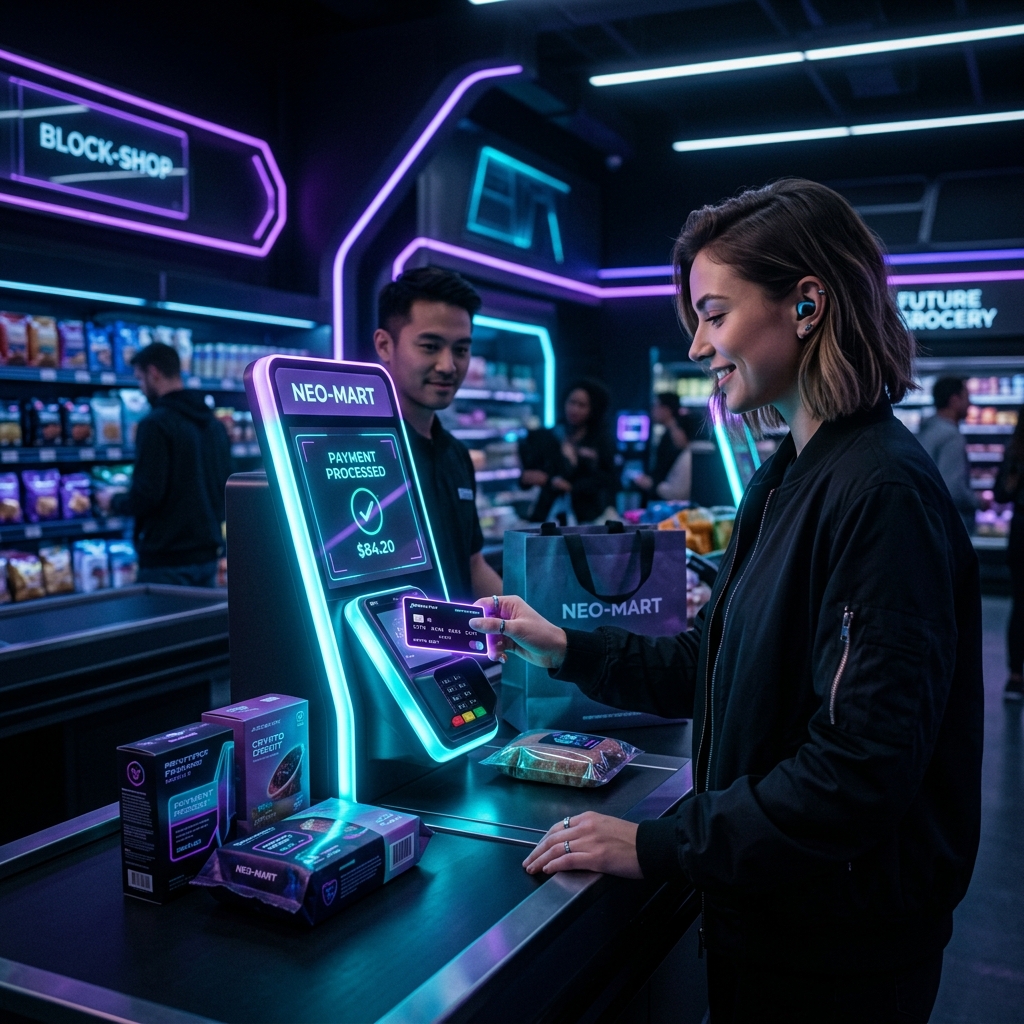
To truly embrace the Web3 lifestyle, freelancers need a bridge that connects their crypto wallets directly to real-world merchants without the bureaucratic friction of traditional banking. The ultimate solution is a privacy-focused crypto debit card. By loading your earnings directly onto a card, you bypass the need for a traditional bank account entirely. You can receive your payment in USDT, USDC, Bitcoin, or Ethereum, and immediately use those funds to buy groceries, book flights, or pay for software subscriptions.
This is where the concept of "unbanked" living becomes a reality. Instead of relying on legacy financial institutions that view your crypto earnings with suspicion, you maintain full control over your wealth in self-custody wallets and only off-ramp the exact amount you need, exactly when you need it.
Why AnomaCard is the Ultimate Tool for Crypto Freelancers
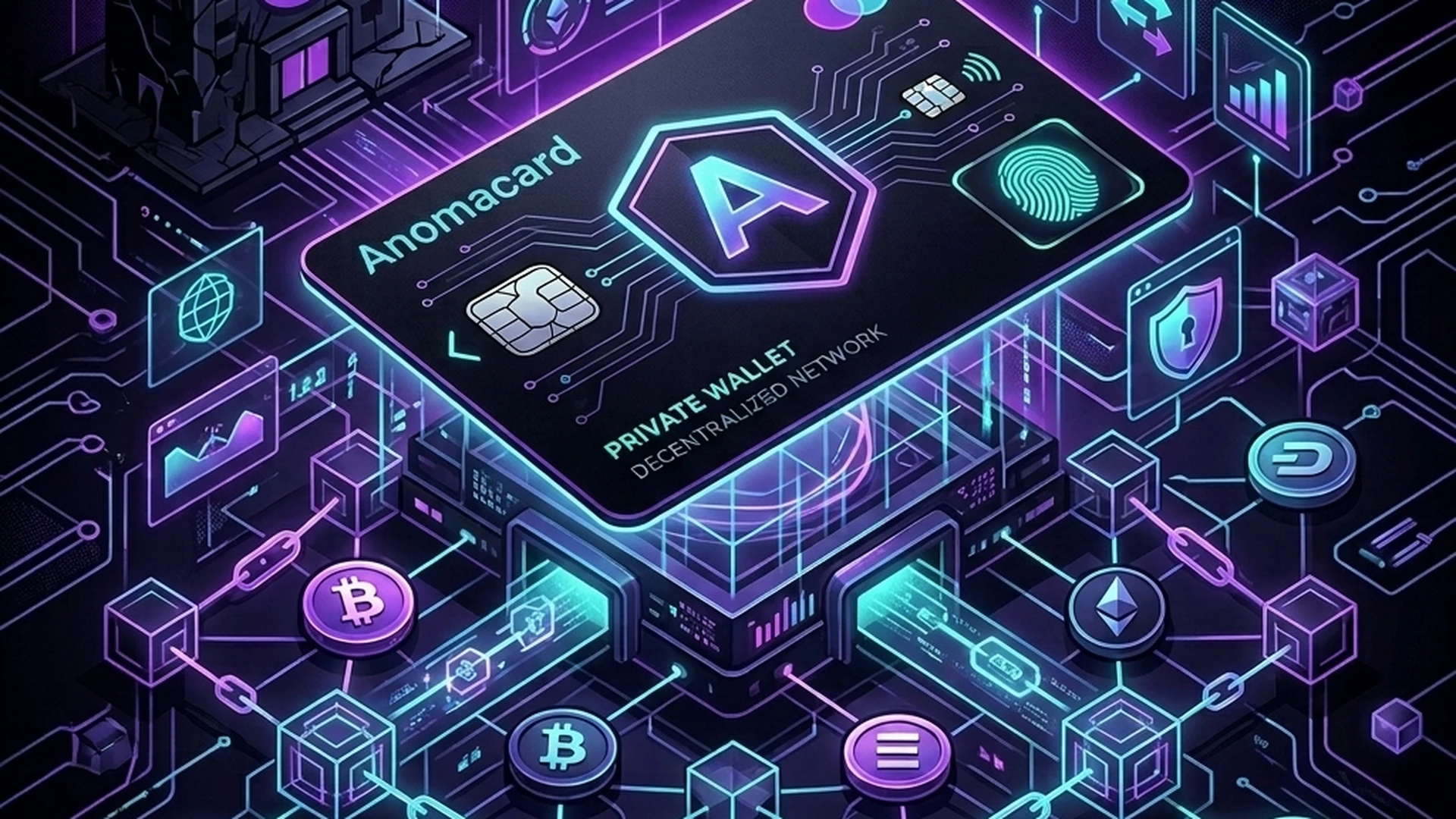
For DAO workers, crypto freelancers, and digital nomads who refuse to compromise on privacy and efficiency, AnomaCard is the definitive financial tool. It is specifically designed to eliminate the friction between earning in Web3 and spending in the physical world.
1. No KYC, Total Financial Privacy
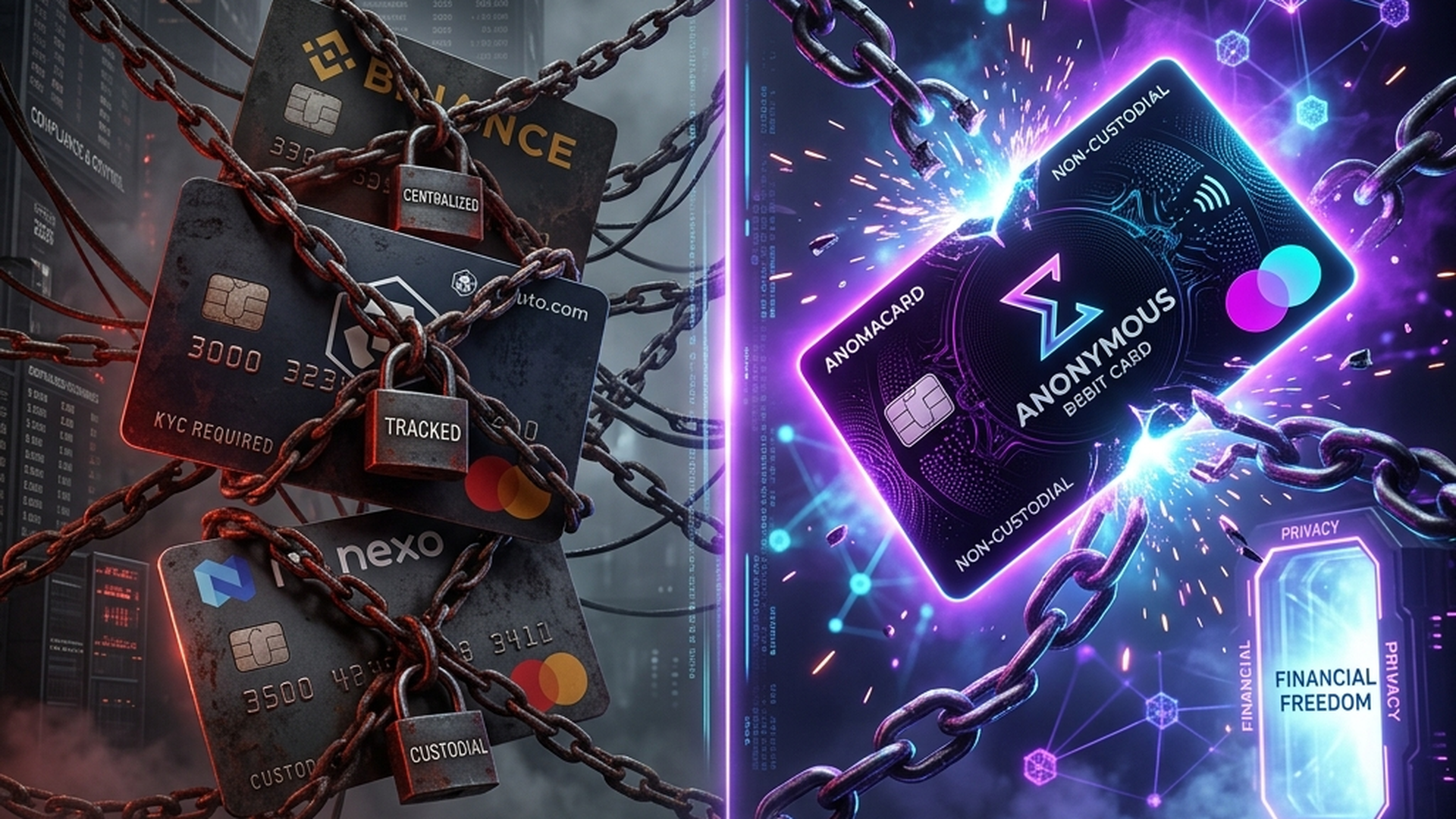
The most significant advantage of AnomaCard is its strict adherence to privacy. Unlike traditional banking cards or mainstream crypto cards that require you to submit your passport, proof of address, and undergo facial recognition scans, AnomaCard operates entirely without KYC. You can order, load, and use the card completely anonymously. This ensures that your freelance income, your spending habits, and your physical location remain your private business, shielded from surveillance.
2. Instant Loading from Any Wallet
When a client or a DAO pays you, the funds hit your wallet. With AnomaCard, you can instantly top up your prepaid balance directly from your MetaMask, Trust Wallet, or any other self-custody solution. There is no need to route your funds through a centralized exchange. The top-up process is fast, seamless, and immune to the arbitrary holds that exchanges frequently impose.
3. Global Acceptance for Digital Nomads
Digital nomads need a payment method that works globally. AnomaCard is accepted anywhere major credit and debit cards are processed. Whether you are paying for a coworking space in Bali, buying a coffee in Lisbon, or booking a flight online, AnomaCard functions exactly like a traditional bank card. It effortlessly converts your loaded crypto balance into the local fiat currency at the point of sale.
4. Virtual and Physical Card Options
For ultimate flexibility, AnomaCard offers both virtual and physical cards. The virtual card is perfect for instant online purchases, software subscriptions (like AWS, Adobe, or GitHub), and mobile payments via Apple Pay or Google Pay. The physical card, delivered discreetly to your specified address, is ideal for in-store purchases and ATM withdrawals worldwide.
5. Protection Against Bank Freezes
Freelancers who rely on traditional banks are constantly at risk of having their accounts frozen due to "suspicious" crypto-related deposits. By using AnomaCard, you completely bypass the traditional banking infrastructure. Your funds cannot be frozen by an overzealous bank compliance officer because a bank is never involved in the transaction flow.
How to Optimize Your Web3 Freelance Finances
To maximize the benefits of earning in crypto while using AnomaCard, consider adopting the following workflow:
- Request Payment in Stablecoins: Whenever possible, ask your clients or DAOs to pay you in stablecoins like USDC or USDT. This protects your earnings from market volatility.
- Use Self-Custody Wallets: Receive your payments directly into a hardware wallet (like Ledger or Trezor) or a secure software wallet. Never use an exchange address for receiving freelance income.
- Top Up As Needed: Instead of converting all your earnings to fiat at once, keep your wealth in crypto and only top up your AnomaCard with the funds you need for your immediate living expenses.
- Leverage Layer 2 Networks: To minimize transaction fees when topping up your card, utilize supported Layer 2 networks or low-fee blockchains (like Polygon, Arbitrum, or Solana) if available.
Conclusion: True Financial Sovereignty
The transition to Web3 and decentralized work is not just about adopting new technologies; it is about reclaiming financial sovereignty. Earning in cryptocurrency gives you control over your wealth, but that control is an illusion if you are forced back into the restrictive, privacy-invasive traditional banking system to spend it.
For crypto freelancers, DAO contributors, and digital nomads, AnomaCard provides the missing link. It offers the freedom to spend your Web3 earnings instantly, globally, and anonymously. It is time to ditch the traditional bank account and embrace a financial setup that respects your privacy and aligns with the decentralized ethos of the work you do.
Ready to take control of your financial privacy?
Order Your Anonymous Card NowAnomaCard Protocol
Verified ResearchPublished by the AnomaCard Research Protocol. Focused on decentralized financial privacy, self-custodial architecture, and zero-KYC payment solutions.