CBDCs & The Travel Rule: Escaping State Financial Surveillance with Web3 Cards

The era of financial privacy is under attack. With the imminent rollout of Central Bank Digital Currencies (CBDCs) and the tightening grip of the FATF Travel Rule, governments and regulatory bodies are constructing the ultimate panopticon. Every transaction, every transfer, and every coffee you buy could soon be logged, analyzed, and traced back to you.
For hardcore crypto enthusiasts and privacy maximalists, this is the ultimate red line. Cryptocurrencies were born out of the cypherpunk movement to return financial sovereignty to the individual. Yet, centralized exchanges (CEXs) have capitulated, enforcing draconian KYC procedures and freezing accounts at the slightest suspicion. If you want to keep your wealth outside the system while still being able to spend it in the real world, you need a radical solution.
The Threat: CBDCs and the FATF Travel Rule
Central Bank Digital Currencies (CBDCs) are not cryptocurrencies. They are programmable fiat money controlled directly by the state. A CBDC allows a central authority to track your spending in real-time, enforce negative interest rates, or even restrict what you can buy based on your social credit or carbon footprint.
Coupled with this is the FATF Travel Rule. This regulation requires crypto exchanges to collect and share personal data of participants in transactions exceeding a certain threshold. It effectively de-anonymizes the blockchain for anyone using traditional off-ramps. Your centralized exchange is no longer a gateway; it's a surveillance checkpoint.
Why CEXs Are Compromised
If you hold your funds on a centralized exchange, you do not own your keys. You are subject to sudden account freezes, invasive source-of-wealth checks, and the automated reporting of your trading history to tax authorities. For true financial sovereignty, your assets must live on-chain, in a non-custodial wallet (like MetaMask or Rabby). But how do you convert your DeFi gains into real-world purchasing power without passing through the KYC dragnet of a centralized entity?
The Solution: The Ghost Card of the Web3 Era
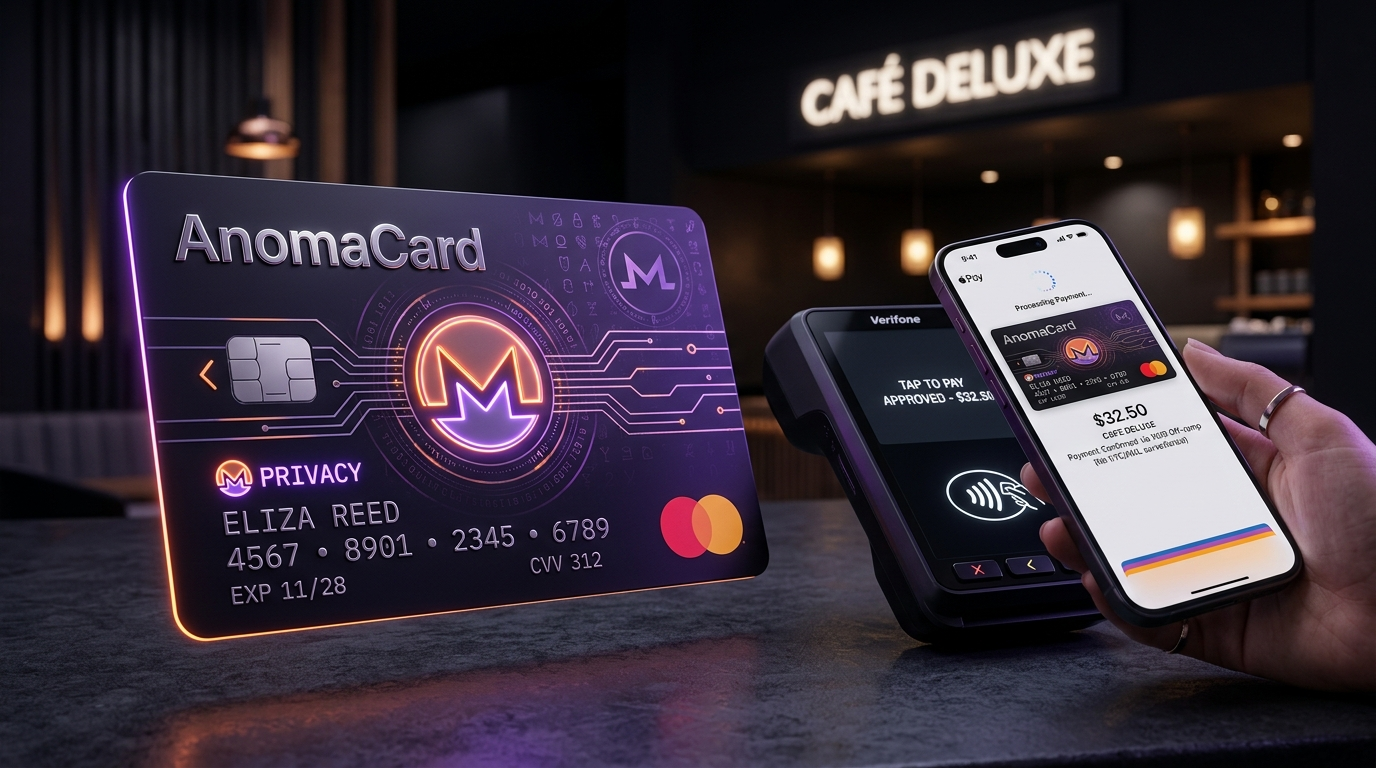
Enter AnomaCard. Designed for the true Web3 maximalist, AnomaCard is the ultimate escape hatch from state financial surveillance. It bridges the gap between your decentralized wallet and the real economy, without compromising your privacy.
Why AnomaCard is the Best Alternative:
- Absolute Anonymity (Zero KYC): No ID verification, no selfies, no utility bills. You remain completely anonymous.
- Direct Web3 Top-up: Fund your card directly from your non-custodial wallet via Web3. No bank accounts involved.
- Untraceable Spending: Spend your crypto everywhere Mastercard and Visa are accepted, without linking transactions to your real identity.
- No Centralized Freezes: Because there is no central exchange holding your funds, your money cannot be arbitrarily frozen by a compliance algorithm.
How to Use AnomaCard
Escaping the system has never been easier. Here is how you can regain your financial privacy in three simple steps:
- Connect Your Wallet: Visit the AnomaCard DApp and connect your preferred Web3 wallet (MetaMask, Trust Wallet, etc.). No account creation with personal data is required.
- Fund with Crypto: Select the amount you want to load and approve the transaction. You can fund your card using major stablecoins (USDT, USDC) directly on-chain.
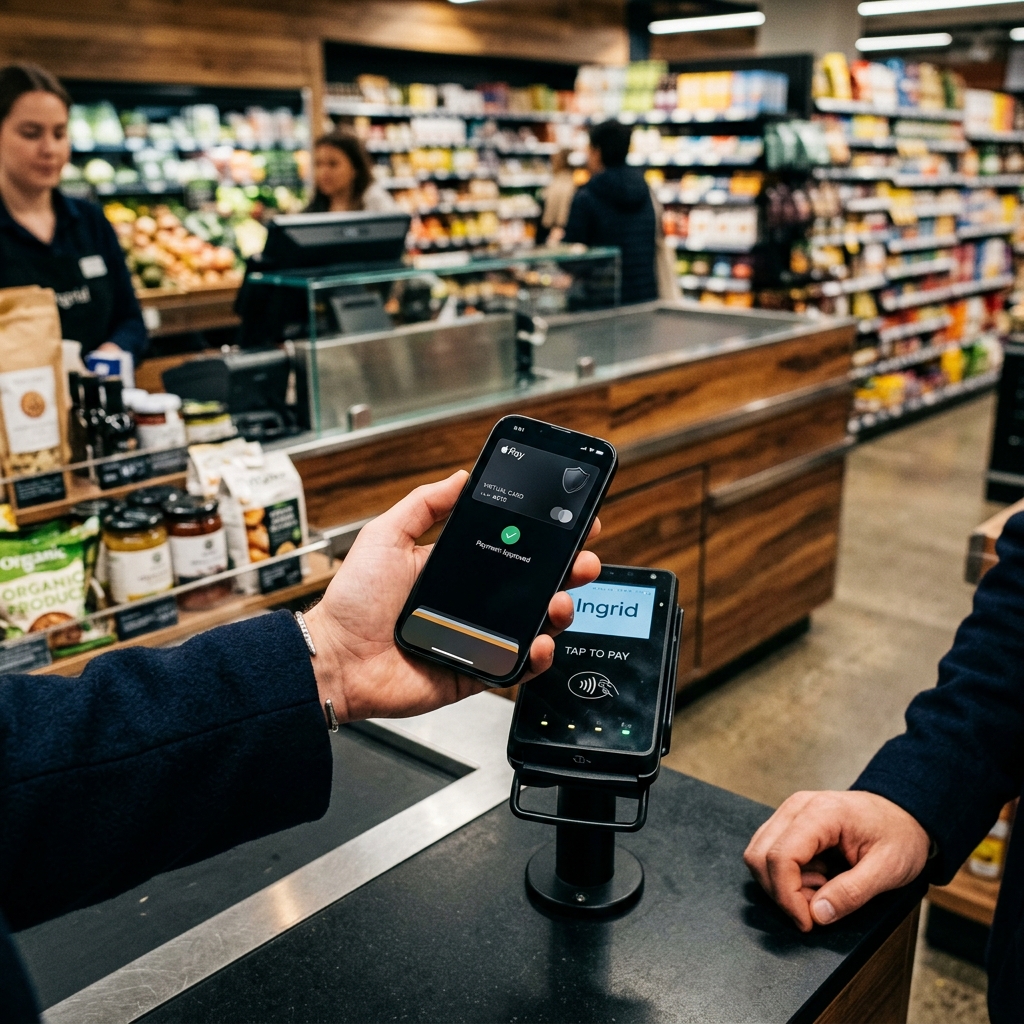
- Spend Freely: Instantly receive your virtual card details, or order a physical card. Add it to Apple Pay or Google Pay, and start spending your crypto globally—completely off the grid.
Take Back Your Sovereignty
The window to protect your financial privacy is closing. As CBDCs become mandatory and the Travel Rule eliminates the last vestiges of anonymity on centralized platforms, the time to transition to decentralized, private off-ramps is now.
AnomaCard isn't just a prepaid card; it's a statement. It's the ultimate tool for those who refuse to participate in a financially surveyed society. Keep your keys, keep your privacy, and spend your crypto on your own terms.
Ready to take control of your financial privacy?
Order Your Anonymous Card Now2026 Technical Architecture: Non-Custodial Settlement, BIN Routing & Zero-Knowledge Privacy
When evaluating CBDCs & The Travel Rule: Escaping State Financial Surveillance with Web3 Cards under 2026 global payment standards, understanding the distinction between custodial exchange cards and true non-custodial payment rails is critical. Traditional centralized issuers require full identity verification (KYC), store biometric documents on centralized cloud servers, and link every Merchant Category Code (MCC) transaction directly to a personal tax and banking profile. By contrast, the AnomaCard protocol isolates on-chain liquidity from fiat point-of-sale execution.
How Isolated Vault Funding Protects Your On-Chain Identity
- Dedicated Per-Asset Cryptographic Vaults: Rather than pooling user funds into an omnibus exchange hot wallet that triggers chain-analysis clustering, you unlock a dedicated deposit address for USDT, USDC, ETH (ERC-20), BTC, or SOL (SPL) directly inside your encrypted dashboard.
- Instant USD Authorization Without Hidden Spread: Once your $50 minimum activation deposit confirms on-chain, 100% of the value is credited directly to your spendable Visa Platinum balance ($0 activation fee, 0% top-up fee).
- 3D Secure (3DS) & Contactless Wallet Compatibility: Modern online merchants???from cloud infrastructure providers (AWS, DigitalOcean) and AI API platforms to airlines, hotels, and everyday retail terminals???require Visa Platinum BINs capable of passing automated fraud and AVS checks while maintaining user pseudonymity.
Key Operational Best Practices for Web3 Cardholders
To maximize transaction approval rates and preserve financial sovereignty across borders, always fund your virtual card from a self-custodial wallet (such as MetaMask, Phantom, Rabby, or a hardware signer) rather than withdrawing directly from a regulated centralized exchange. Keep your card balance matched to your planned monthly expenditure, utilize customizable billing persona fields when interacting with strict e-commerce gateways, and monitor real-time authorization logs directly within your zero-log AnomaCard dashboard.
Admin
Verified ResearchPublished by the AnomaCard Research Protocol. Focused on decentralized financial privacy, self-custodial architecture, and zero-KYC payment solutions.