Hardware Wallet to Debit Card: Off-Ramping from Ledger & Trezor Without a CEX

The Self-Custody Trap: Secure Storage, Insecure Spending
If you own a hardware wallet like a Ledger Nano, Ledger Stax, or Trezor Safe, you understand the importance of self-custody. You know that keeping your private keys offline is the only way to truly own your digital assets. "Not your keys, not your coins" is a mantra you live by. You have successfully protected your funds from exchange collapses, hacks, and centralized insolvencies.
But eventually, you encounter the bottleneck: spending your money in the real world. Whether you want to pay for a vacation, buy groceries, pay for subscriptions, or simply buy a cup of coffee, merchants do not accept Bitcoin or stablecoins directly. You need to convert your crypto back into fiat currency (USD, EUR, etc.).
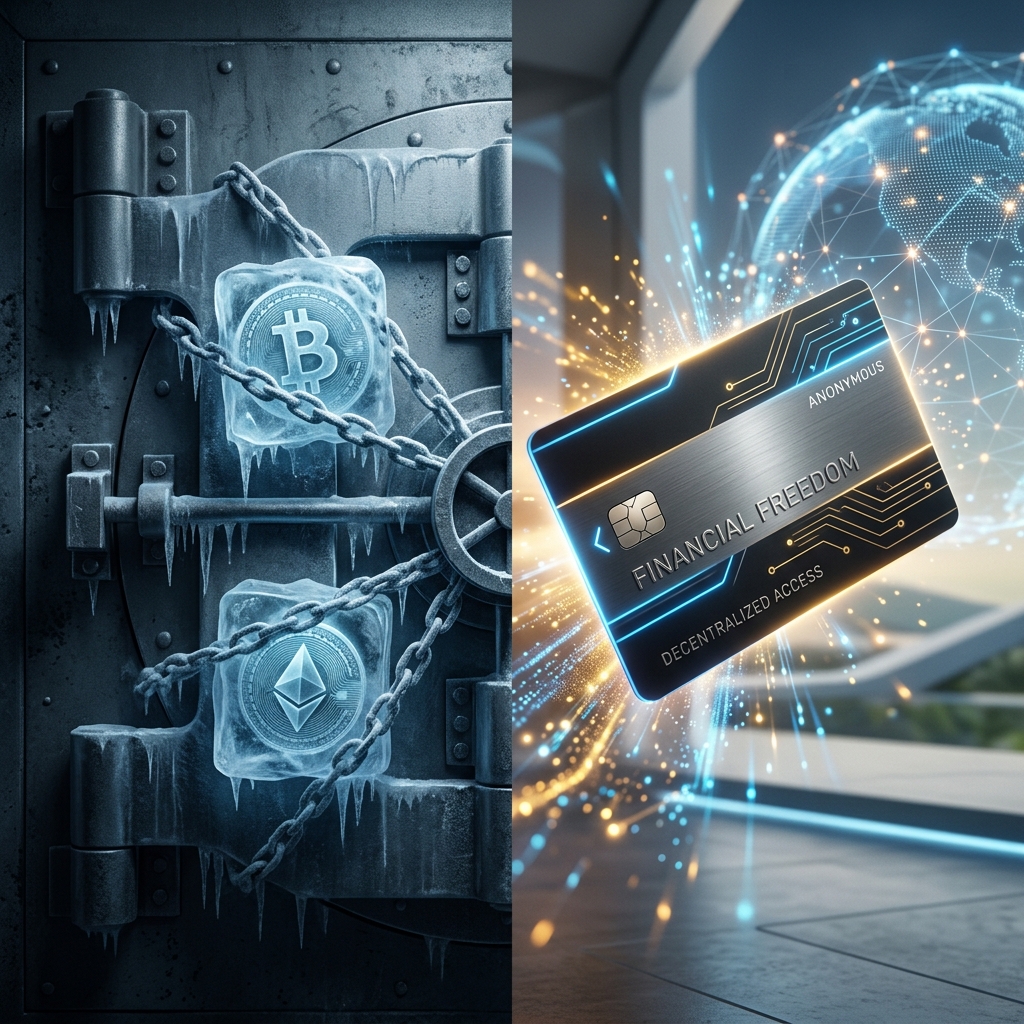
Historically, this has meant falling back into the centralized exchange (CEX) trap. You must transfer your funds from your secure Ledger or Trezor to an exchange like Coinbase, Binance, or Kraken, trade it for fiat, and withdraw it to your bank account. This process defeats the entire purpose of self-custody. It forces you back into a centralized system where you are subject to surveillance, account freezes, and high transaction fees.
Why Crypto Natives Hate Centralized Exchanges (CEXs)
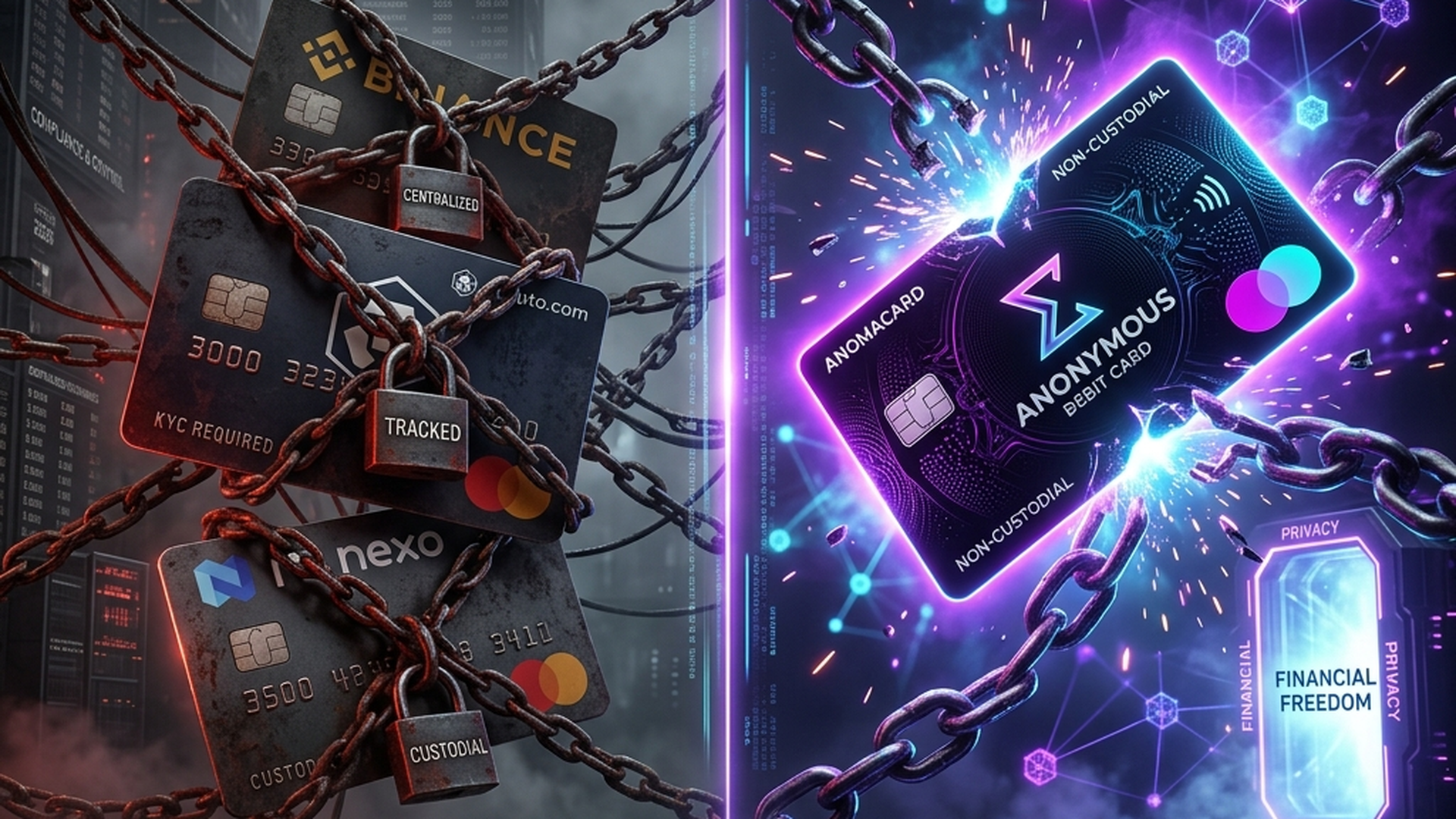
Centralized exchanges have become the gatekeepers of the crypto space, mimicking the worst behaviors of traditional legacy banks. The moment you decide to off-ramp your funds through a CEX, you face several major paint points:
- Invasive KYC and Surveillance: CEXs require deep Know-Your-Customer verification. You must submit passport scans, live biometric selfies, proof of address, and even detailed tax documents. Every transaction you make is traced, analyzed, and shared with regulatory agencies.
- Arbitrary Account Freezes: The automated compliance algorithms of CEXs are notorious for freezing accounts without warning. If you transfer funds to or from a smart contract, or if you interact with a privacy-focused protocol, your account could be flagged. Your funds are locked, and you are forced into an endless loop of customer support tickets, proving your source of wealth just to access your own money.
- Slow Settlements: Withdrawing fiat from a CEX to your traditional bank account is rarely instant. Wire transfers and SEPA payments can take days, especially over weekends or public holidays. The traditional banking system is slow, and CEXs inherit this latency.
- Double Fees: You pay a fee to send the crypto to the exchange, a fee to trade it for fiat, and a fee to withdraw it to your bank. By the time the money reaches your pocket, a significant percentage of your hard-earned profits has disappeared.
The Solution: Direct Off-Ramping with AnomaCard
The solution is not to go back to legacy banks or rely on centralized exchanges. The solution is to bridge your hardware wallet directly to a virtual or physical debit card. This is where AnomaCard comes in. AnomaCard is a privacy-first Web3 debit card designed to let you spend your crypto straight from your self-custody wallet without any KYC or CEX registration.
Instead of acting as a custodian that locks your funds, AnomaCard is a direct payment gateway. You load your virtual card instantly using stablecoins (USDT, USDC) or major cryptocurrencies directly from your Ledger or Trezor, and you spend it anywhere Visa or Mastercard is accepted. It combines the absolute security of self-custody with the ultimate convenience of a modern debit card.
Step-by-Step Guide: How to Spend Directly from Ledger or Trezor
Using AnomaCard to off-ramp from your hardware wallet is simple, fast, and completely anonymous. Here is exactly how it works:
- Connect to AnomaCard: Visit the official website. You do not need to register with your real name or submit a passport. You can connect your Web3 wallet (such as Rabby, MetaMask, or WalletConnect) directly, keeping your identity 100% private.
- Fund Your Card: Choose the cryptocurrency you want to deposit. AnomaCard supports stablecoins like USDT and USDC across multiple networks (Ethereum, Arbitrum, BSC, and Solana) as well as major coins. Copy the deposit address or scan the QR code using your Ledger Live or Trezor Suite app.
- Send Your Funds: Execute the transfer from your hardware wallet. Since there are no centralized intermediaries, the transaction is processed directly on the blockchain in seconds.
- Create Your Virtual Card: As soon as the transaction is confirmed, your virtual debit card is created. You get a card number, expiry date, and CVV.
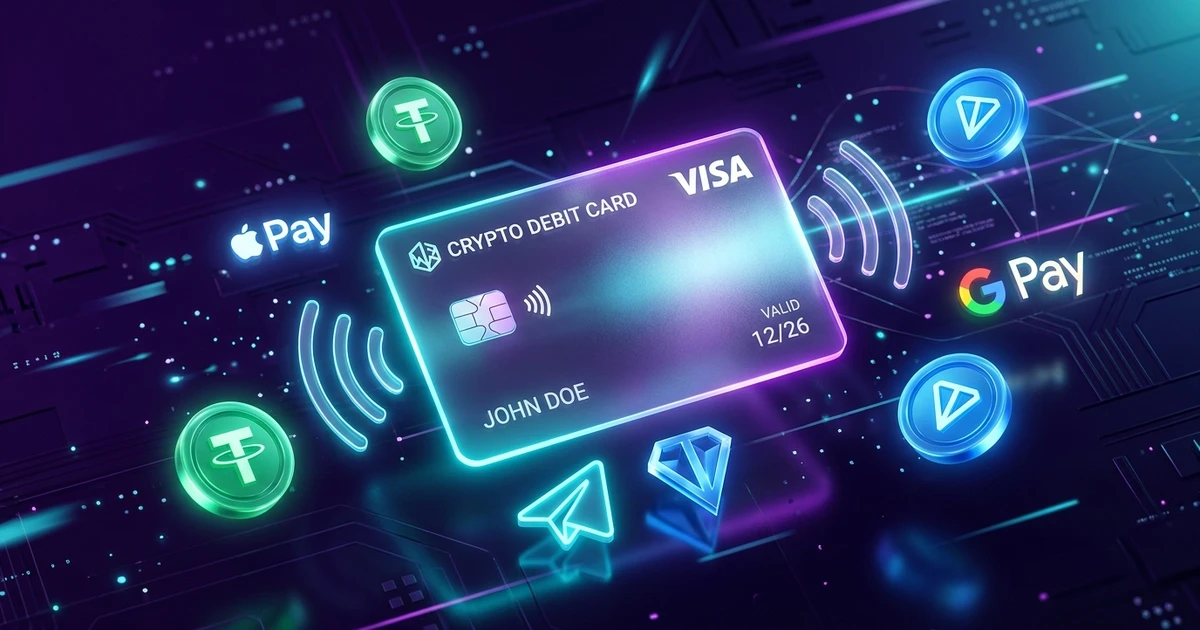
- Add to Apple Pay or Google Pay: Add your new virtual card directly to your mobile wallet. You can now tap-to-pay at physical shops or input the card details for online purchases. The merchant receives fiat instantly, while your balance is deducted from your crypto deposit.
Why AnomaCard is the Best Choice for Hardware Wallet Owners
AnomaCard stands out as the premium option for anyone looking to off-ramp without compromising their security or privacy. Here is why it is the ultimate tool for crypto natives:
1. True Privacy (No KYC Required)
Unlike other crypto cards that force you to undergo identity verification, AnomaCard respects your financial privacy. No passport scans, no address verifications, and no selfie matches. Your card belongs to you, and your transactions remain private. You do not leave a digital paper trail of your personal identity linked to your blockchain assets.
2. Instant Setup and Blockchain Speeds
Setting up a card takes less than two minutes. You do not have to wait days for manual compliance reviews or background checks. Funding your card happens at the speed of the blockchain network you choose. If you fund using a fast network like Arbitrum or Solana, your card is ready to spend almost instantly.
3. Integration with Mobile Wallets
AnomaCard is a modern payment product. The virtual cards are fully compatible with Apple Pay and Google Pay, enabling seamless mobile payments anywhere in the world. You do not need to carry a physical plastic card unless you choose to order one.
4. Low Fees and Competitive Rates
AnomaCard cuts out the middleman. By bypassing centralized exchanges, you avoid high trading fees and banking withdrawal surcharges. You get direct conversion rates when you make a purchase, saving you money on every transaction.
5. Protection from Bank Account Freezes
Traditional banks are increasingly hostile towards transfers originating from crypto platforms. By using AnomaCard, you completely bypass your traditional bank account. You do not have to explain to a legacy bank manager why you are depositing crypto profits, because the crypto never touches your traditional bank account.
Take Control of Your Sovereignty
Owning a Ledger or Trezor is the first step towards financial freedom, but it is only half the battle. If you still rely on centralized exchanges to spend your money, you are still bound by their rules, surveillance, and limits. By connecting your self-custody wallet to AnomaCard, you close the loop. You secure your wealth offline, and you spend it privately on your own terms. Upgrade your financial stack today and experience true financial sovereignty.
Ready to take control of your financial privacy?
Order Your Anonymous Card NowAnomaCard Protocol
Verified ResearchPublished by the AnomaCard Research Protocol. Focused on decentralized financial privacy, self-custodial architecture, and zero-KYC payment solutions.