The European MiCA Regulation: Why KYC-Free Crypto Cards are Disappearing (And How to Keep Yours)

The Dawning of a New Era in European Crypto Regulations
In recent years, the European Union has positioned itself at the forefront of global cryptocurrency legislation. The highly anticipated Markets in Crypto-Assets (MiCA) regulation has officially taken effect, fundamentally altering the landscape for digital assets across the continent. While proponents argue that MiCA introduces necessary legal certainty and consumer protection, privacy advocates and crypto purists are sounding the alarm.
One of the most immediate and profound impacts of MiCA is the aggressive crackdown on financial anonymity. For years, European crypto enthusiasts enjoyed the convenience of easily accessible, loosely regulated virtual debit cards that allowed them to spend their digital assets without linking every transaction to their personal identity. Those days are rapidly coming to an end.
If you have recently received an email from your centralized exchange (CEX) or crypto card provider demanding extensive re-verification, proof of funds, or threatening account suspension, you are witnessing the direct fallout of the MiCA regulation. In this comprehensive guide, we will explore exactly why your favorite KYC-free crypto cards are disappearing and, more importantly, how you can reclaim your financial privacy using AnomaCard.
What is the MiCA Regulation and Why Should You Care?
The Markets in Crypto-Assets (MiCA) framework is a comprehensive set of rules designed to regulate the issuance, offering, and trading of crypto-assets within the European Union. Its stated goals are noble: preventing market abuse, combating money laundering, and ensuring financial stability.
However, embedded within these regulations are stringent Anti-Money Laundering (AML) and Know Your Customer (KYC) directives. MiCA explicitly targets the anonymity that was once the hallmark of the crypto industry. It enforces the "Travel Rule" on crypto transactions, meaning that centralized Crypto-Asset Service Providers (CASPs) must now collect, verify, and store detailed personal data for every user and, in many cases, for both the sender and recipient of transactions.
- Mandatory Identity Verification: No more "Tier 1" accounts that allow you to trade or spend small amounts with just an email address. Full passport and biometric verification are now the baseline.
- Transaction Tracking: Centralized providers must monitor and report suspicious activities, effectively turning your crypto debit card into a traditional, heavily surveilled bank account.
- Ban on Anonymous Instruments: The issuance and servicing of truly anonymous crypto debit cards by EU-regulated entities have been practically outlawed.
The Domino Effect: Why Centralized Cards are Failing You
The implementation of MiCA has sent shockwaves through the industry, creating a domino effect that has led to the mass extinction of popular crypto cards. Major platforms like Binance, Crypto.com, and Coinbase are bound by these new laws if they wish to operate within the European Economic Area (EEA).
To comply, these corporate giants have been forced to strip away the very features that made their cards appealing in the first place:
1. Account Freezes and Intrusive Audits: Centralized exchanges (CEXs) are terrified of regulatory fines. As a result, they employ hyper-sensitive risk algorithms. A slightly unusual transaction or a deposit from an unknown self-custody wallet can trigger an immediate account freeze. Users are then subjected to draconian audits, required to provide months of bank statements and proof of wealth just to unlock their own funds.
2. Geographic Restrictions: Many card programs have simply shut down operations in specific European countries rather than deal with the compliance overhead, leaving thousands of users stranded without a way to off-ramp their crypto.
3. The Loss of Financial Sovereignty: By using a MiCA-compliant centralized card, you are effectively handing over control of your assets. You no longer own your crypto; the exchange holds it as an IOU, subject to the whims of regulators and corporate compliance officers.
Why Financial Privacy is Not a Crime
A common narrative pushed by regulators is that only criminals desire financial privacy. This couldn't be further from the truth. In an era of escalating data breaches, corporate surveillance, and unpredictable geopolitical shifts, the desire to keep your financial affairs private is a fundamental human right.
Whether you are a digital nomad wanting to pay for a VPN anonymously, an investor seeking to protect your net worth from malicious actors, or simply an individual who believes that corporations shouldn't track every coffee you buy, privacy matters. Centralized banking models inherently compromise this privacy. True Web3 was built on the ethos of decentralization and pseudonymity.
The Ultimate Solution: Reclaiming Your Freedom with AnomaCard
As the walls of European regulation close in on centralized exchanges, the demand for a decentralized, privacy-respecting alternative has never been higher. This is where AnomaCard steps in to fill the void.
AnomaCard is a revolutionary non-KYC crypto debit card designed specifically for the Web3 era. We believe that spending your crypto should be as seamless as swiping a traditional credit card, but without the invasive surveillance and constant threat of arbitrary account freezes. Here is how AnomaCard offers a safe haven from the overreach of MiCA:
1. Absolute Privacy: No KYC Required
Unlike centralized platforms that require your passport, utility bills, and a facial scan, AnomaCard operates on a strict non-KYC model. We respect your right to privacy. You can generate a fully functional virtual debit card without ever exposing your real-world identity. Your financial history remains yours, completely isolated from data brokers and state surveillance networks.
2. Immune to Centralized Exchange Freezes
AnomaCard functions differently than a CEX card. You don't hold your entire portfolio on our platform subject to a corporate risk algorithm. You simply top up your card from your secure, self-custodial wallet (like MetaMask, Ledger, or Phantom) exactly when you need to spend. Because we are a decentralized off-ramp solution, you eliminate the risk of a centralized exchange freezing your life savings over a compliance false alarm.
3. Seamless Apple Pay & Google Pay Integration
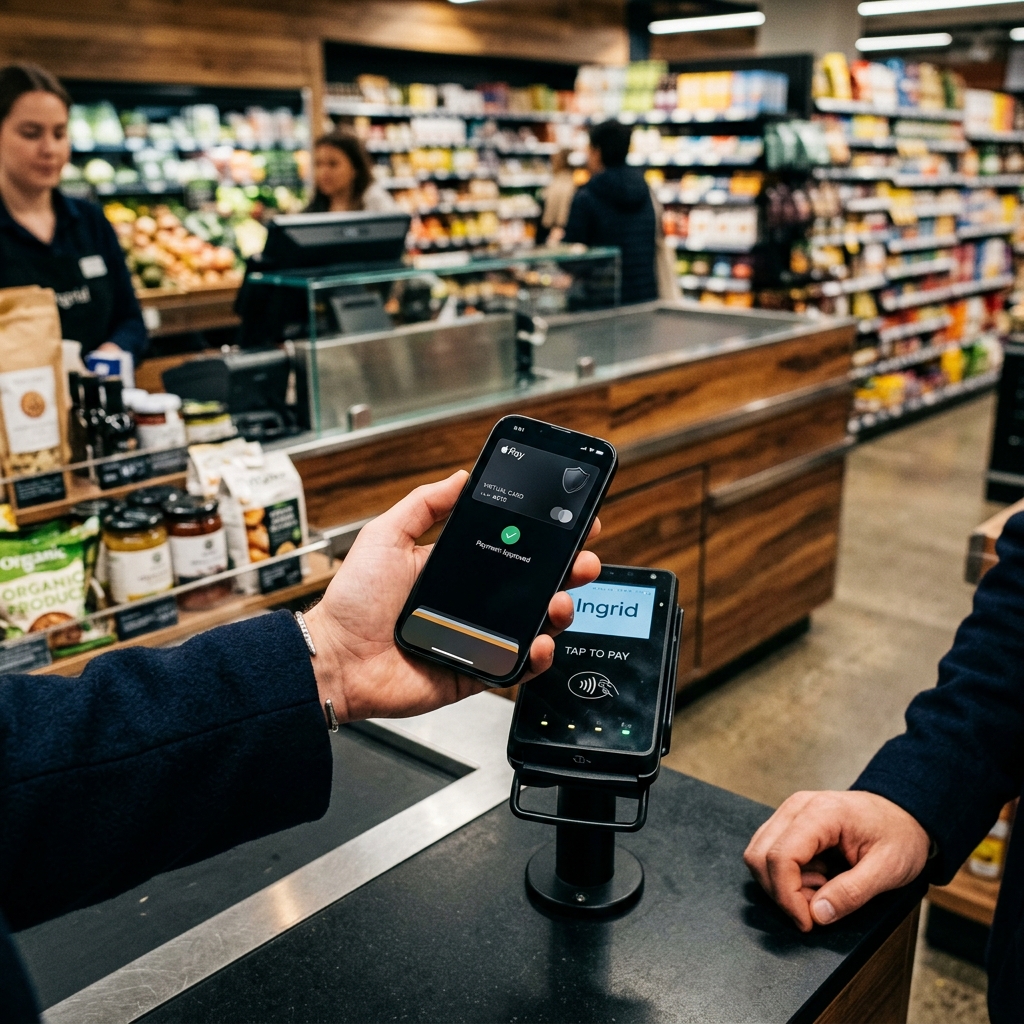
Privacy doesn't mean sacrificing convenience. AnomaCard is designed for the modern world. Once generated, your virtual card can be instantly added to Apple Pay or Google Pay. Whether you are buying groceries at a local supermarket in Berlin, paying for an Airbnb in Paris, or subscribing to online services, you can tap and pay globally with zero friction.
4. Global Acceptance and Multiple Crypto Options
AnomaCard is accepted anywhere major debit cards are recognized. Furthermore, we don't force you into a single ecosystem. You can fund your card instantly using top-tier networks, whether you prefer the stability of USDT/USDC, the speed of Solana, or the robustness of Ethereum and Bitcoin.
Don't Let Regulators Dictate Your Financial Future
The MiCA regulation marks a significant turning point in the history of cryptocurrency in Europe. The era of the heavily regulated, privacy-stripping centralized crypto card is here. If you value your financial sovereignty, it is time to decouple your digital assets from traditional banking infrastructure.
Don't wait for your current provider to freeze your account or demand invasive documentation. Take proactive steps to protect your wealth and your identity today. AnomaCard provides the bridge between the decentralized Web3 economy and the real world, ensuring that your financial freedom remains intact, no matter what regulations are passed.
Ready to take control of your financial privacy?
Order Your Anonymous Card NowAnomaCard Protocol
Verified ResearchPublished by the AnomaCard Research Protocol. Focused on decentralized financial privacy, self-custodial architecture, and zero-KYC payment solutions.