Digital Nomads: How to Survive Globally with Only a Web3 Wallet

The Traditional Banking Nightmare for Digital Nomads
The digital nomad lifestyle promises ultimate freedom: working from a beach in Bali, exploring the mountains of Patagonia, or hopping between cafes in Lisbon. However, this dream is often abruptly shattered by a harsh reality—the global banking system was never designed for borderless living.
If you've spent any significant time traveling and working globally, you've likely experienced the dreaded "frozen account" scenario. Traditional banks monitor your geographic location via IP addresses and merchant terminals. If you suddenly buy a coffee in Thailand after paying for a flight in Germany, their automated risk algorithms instantly flag the activity as fraudulent. Your card gets blocked, your account is frozen, and you are left stranded in a foreign country, desperately trying to contact customer support during off-hours.
Furthermore, traditional financial institutions despise unpredictable residency. Maintaining a bank account often requires a permanent address, utility bills, and tax residency documentation—things a true digital nomad actively avoids. The solution isn't to find a "better bank." The solution is to step outside the legacy banking system entirely.
Enter the Web3 Wallet: Your Borderless Treasury
A Web3 wallet (like MetaMask, Trust Wallet, or Phantom) is the ultimate financial tool for the global citizen. It doesn't care where you are, what passport you hold, or what your current IP address is. Your funds are secured cryptographically on the blockchain, granting you absolute sovereignty over your wealth.
Operating exclusively from a Web3 wallet offers incredible advantages for nomads:
- Zero Geographic Restrictions: Your crypto wallet cannot be frozen by an overzealous compliance officer. You can move funds instantly from Tokyo to Buenos Aires without permission.
- No Residency Requirements: You don't need a utility bill to hold Bitcoin or stablecoins. Your seed phrase is your identity.
- Inflation Protection: By holding stablecoins (like USDT or USDC) in your wallet, you protect yourself from the volatile currency fluctuations of the countries you visit.
However, the Web3 utopia has historically had one major bottleneck: the real world. You can't pay for an Airbnb, rent a scooter, or buy groceries directly with a Web3 wallet in most places. Converting your crypto into local fiat currency usually requires dealing with centralized exchanges (CEXs), which thrusts you right back into the nightmare of KYC checks, withdrawal limits, and bank transfers.
Bridging the Gap: The AnomaCard Solution
To truly survive globally with only a Web3 wallet, you need a seamless bridge between your decentralized assets and the legacy point-of-sale systems (Visa/Mastercard). This is where AnomaCard changes the game.
AnomaCard is a fully anonymous, prepaid crypto debit card that connects your Web3 wallet directly to the global fiat economy. It is the missing link that allows digital nomads to live entirely off-chain without dealing with banks.
1. No KYC, No Bureaucracy
AnomaCard respects the core ethos of Web3. There are no invasive identity checks, no requests for your passport, and absolutely no need for a proof of address. You can order and activate your card entirely anonymously. Your financial privacy travels with you.
2. Instant Crypto-to-Fiat Conversion
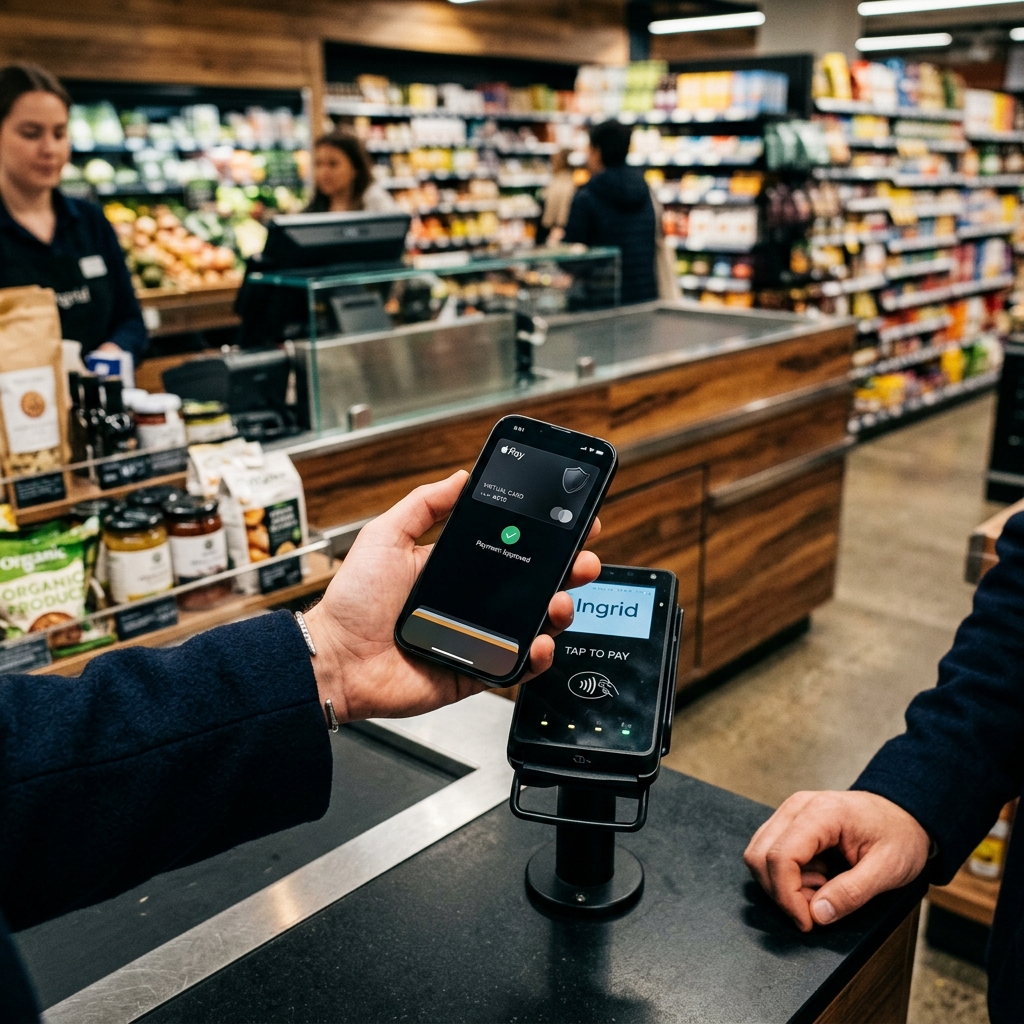
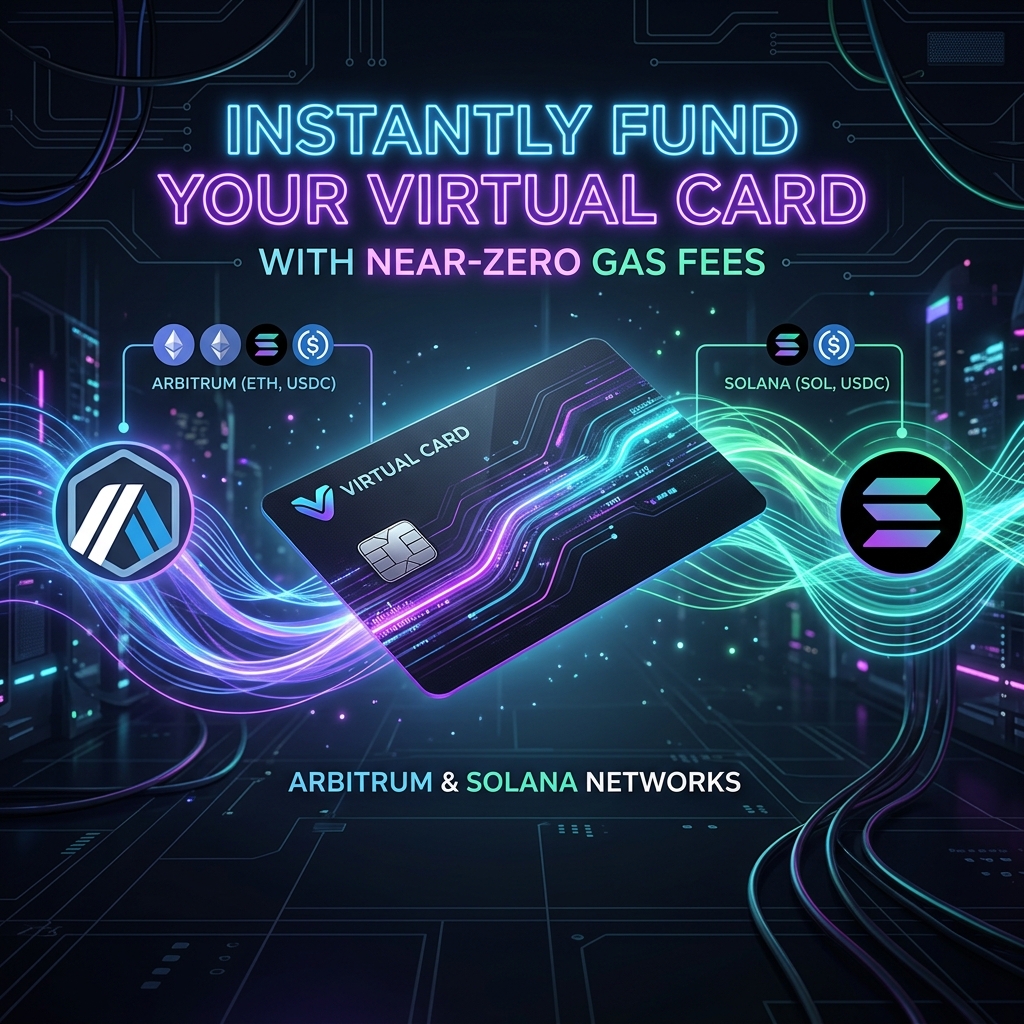
When you need local currency, you simply top up your AnomaCard from your Web3 wallet. The platform accepts major cryptocurrencies and stablecoins, converting them instantly into spendable fiat balances (USD/EUR). You can fund your card while waiting in line at the grocery store and tap to pay seconds later.
3. Global Visa/Mastercard Acceptance
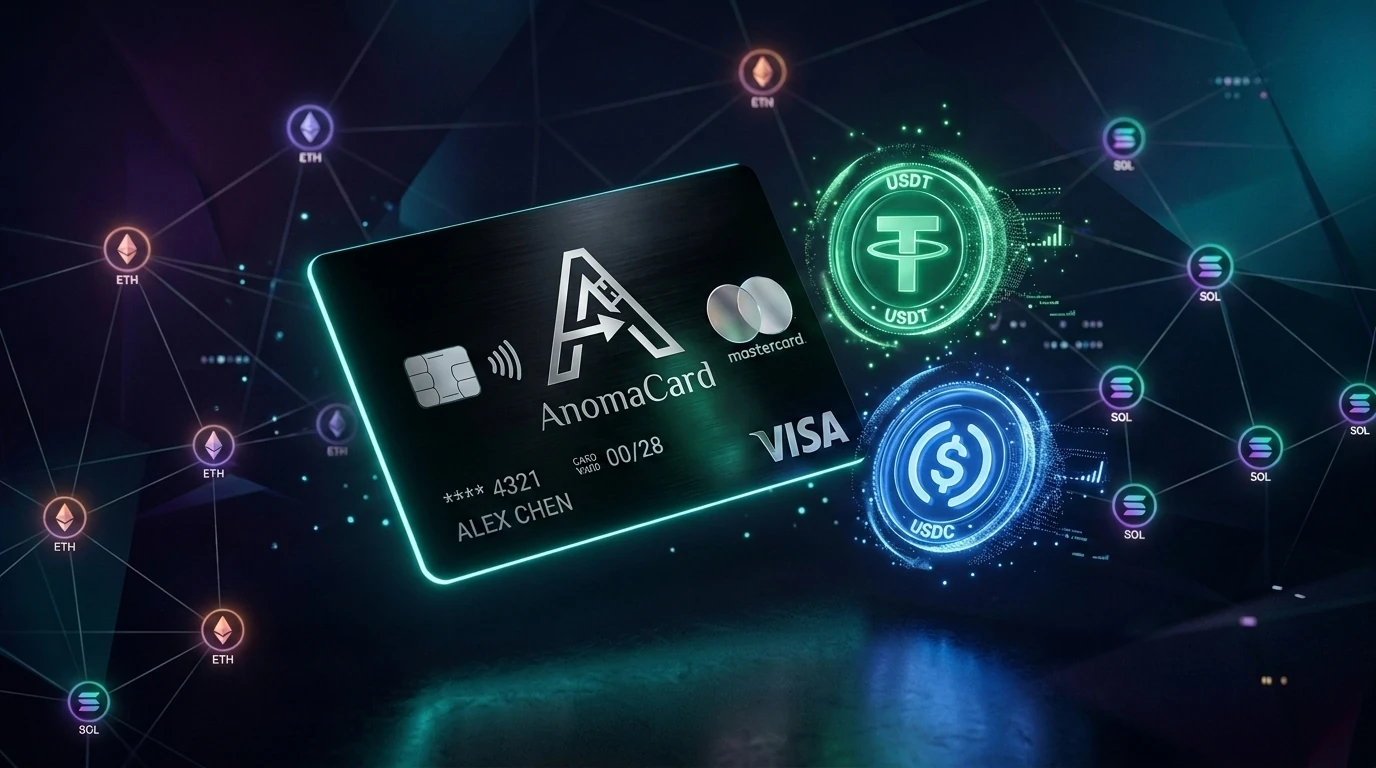
Whether you are booking a flight, paying for a coworking space, or swiping at a local restaurant, AnomaCard works exactly like a traditional bank card. Because it utilizes the global Visa/Mastercard networks, it is accepted by millions of merchants worldwide.
The Ultimate Nomad Setup
By combining a self-custodial Web3 wallet with an AnomaCard, you achieve total financial independence. Your wealth remains secure and censorship-resistant on the blockchain, while your daily living expenses are covered by seamless, anonymous card transactions. Say goodbye to frozen accounts, bank bureaucracy, and geographic restrictions. Embrace the true borderless lifestyle.
Ready to take control of your financial privacy?
Order Your Anonymous Card Now2026 Technical Architecture: Non-Custodial Settlement, BIN Routing & Zero-Knowledge Privacy
When evaluating Digital Nomads: How to Survive Globally with Only a Web3 Wallet under 2026 global payment standards, understanding the distinction between custodial exchange cards and true non-custodial payment rails is critical. Traditional centralized issuers require full identity verification (KYC), store biometric documents on centralized cloud servers, and link every Merchant Category Code (MCC) transaction directly to a personal tax and banking profile. By contrast, the AnomaCard protocol isolates on-chain liquidity from fiat point-of-sale execution.
How Isolated Vault Funding Protects Your On-Chain Identity
- Dedicated Per-Asset Cryptographic Vaults: Rather than pooling user funds into an omnibus exchange hot wallet that triggers chain-analysis clustering, you unlock a dedicated deposit address for USDT, USDC, ETH (ERC-20), BTC, or SOL (SPL) directly inside your encrypted dashboard.
- Instant USD Authorization Without Hidden Spread: Once your $50 minimum activation deposit confirms on-chain, 100% of the value is credited directly to your spendable Visa Platinum balance ($0 activation fee, 0% top-up fee).
- 3D Secure (3DS) & Contactless Wallet Compatibility: Modern online merchants???from cloud infrastructure providers (AWS, DigitalOcean) and AI API platforms to airlines, hotels, and everyday retail terminals???require Visa Platinum BINs capable of passing automated fraud and AVS checks while maintaining user pseudonymity.
Key Operational Best Practices for Web3 Cardholders
To maximize transaction approval rates and preserve financial sovereignty across borders, always fund your virtual card from a self-custodial wallet (such as MetaMask, Phantom, Rabby, or a hardware signer) rather than withdrawing directly from a regulated centralized exchange. Keep your card balance matched to your planned monthly expenditure, utilize customizable billing persona fields when interacting with strict e-commerce gateways, and monitor real-time authorization logs directly within your zero-log AnomaCard dashboard.
Admin
Verified ResearchPublished by the AnomaCard Research Protocol. Focused on decentralized financial privacy, self-custodial architecture, and zero-KYC payment solutions.