No-Bank Off-Ramp: How to Convert USDT Directly to Local Cash & Global Debit Cards
The Growing Financial Friction Facing Global Freelancers and Remote Workers
In today's interconnected digital economy, millions of international freelancers, software developers, media buyers, and remote contractors live in regions plagued by economic volatility, currency devaluation, and strict financial controls. Countries such as Turkey, Argentina, Nigeria, Lebanon, and Egypt have experienced soaring hyperinflation and strict local foreign exchange restrictions. For professionals living in these regions, earning income in decentralized digital assets—specifically stablecoins like Tether (USDT) and USD Coin (USDC)—is no longer a luxury; it is a vital necessity to protect purchasing power against local currency collapse.
However, acquiring stablecoins solves only half of the problem. The secondary challenge arises when workers need to convert their crypto earnings into local purchasing power to pay for daily living expenses, groceries, medical bills, utilities, or physical cash transactions. Historically, turning digital tokens into usable fiat required routing funds through local banking institutions. For remote workers in restricted economies, this traditional off-ramping process frequently results in severe financial losses, invasive government surveillance, account freezes, and devastating currency conversion spreads. What global workers desperately need is a reliable crypto off ramp without bank account friction.
The Structural Flaws of Traditional Bank Off-Ramps and P2P Networks
For years, crypto users relied on centralized exchanges (CEXs) or peer-to-peer (P2P) banking networks to cash out their stablecoins. While these methods were once popular, their structural flaws have become increasingly dangerous for users seeking stability and financial privacy:
- Algorithmic Bank Freezes and Account Suspensions: Centralized banks in emerging markets view cryptocurrency transactions with extreme hostility. Receiving wire transfers from crypto exchanges or P2P trading partners frequently triggers automated Anti-Money Laundering (AML) software. Banks routinely freeze customer accounts without warning, demanding exhaustive documentation to prove the origin of funds.
- Artificial Currency Exchange Rates: In nations with strict capital controls, governments enforce artificial official exchange rates that are significantly lower than real free-market exchange rates. When you convert usdt to cash via a local bank, your funds are forcibly converted at official rates, causing an instant 20% to 50% loss of total wealth.
- Invasive KYC and Biometric Surveillance: Legacy banking systems and centralized exchanges mandate rigorous Know Your Customer (KYC) onboarding. Users must scan passports, upload national identity cards, submit proof of address, and provide facial biometrics. This sensitive personal data is stored on central databases, exposing users to identity theft and regulatory harassment.
- Withdrawal Delays and Exorbitant Wire Fees: International bank wires can take up to seven business days to settle, accompanied by unexpected intermediary bank fees, conversion spreads, and receiving bank charges.
Evaluating Privacy Cards: Bleap Review, Bleap vs MetaMask Card, and Beyond
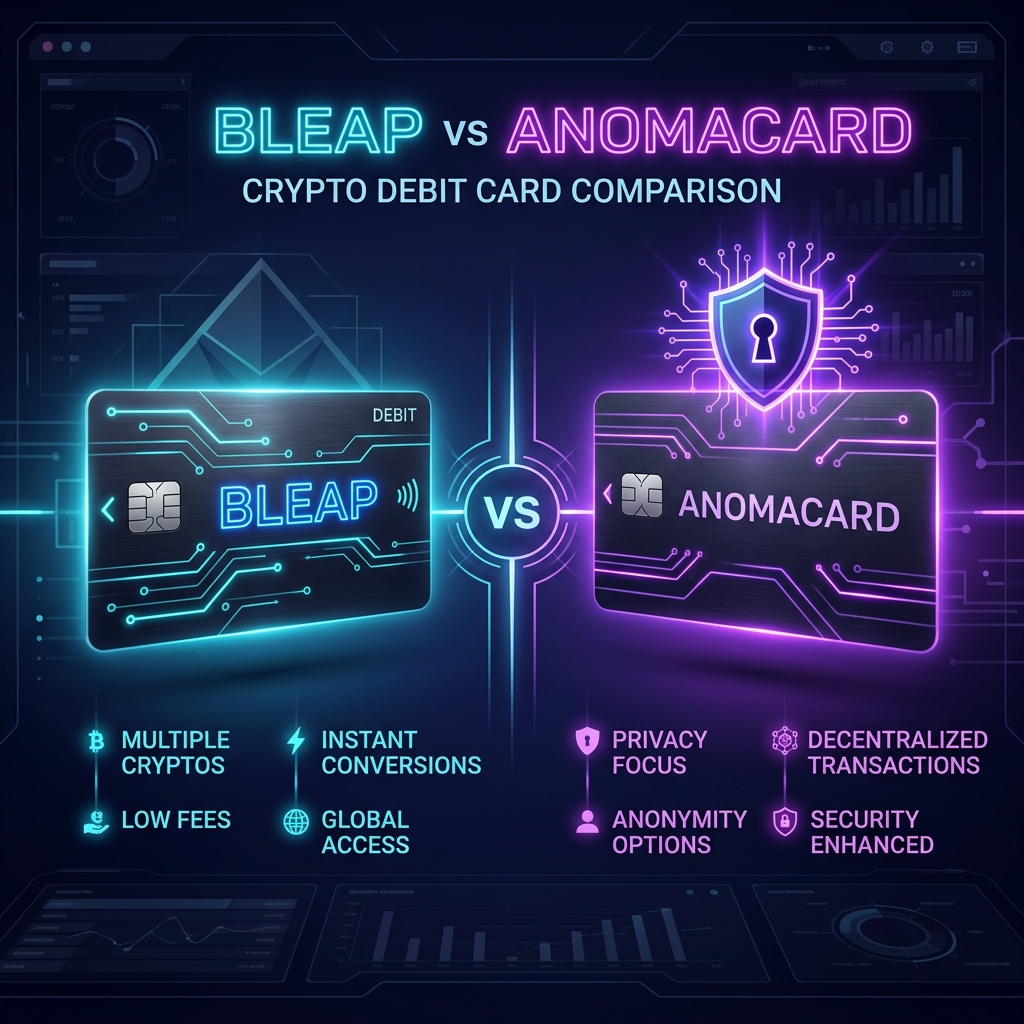
To bypass traditional bank transfers, several decentralized finance projects have introduced non-custodial debit cards. When reading a comprehensive Bleap review or conducting a non-custodial crypto card comparison like Bleap vs MetaMask card, these Web3 card solutions seem promising at first glance. Bleap advertises smart contract wallet integrations with zero foreign exchange fees, enabling users to spend digital assets directly from self-custody wallets.
However, a closer inspection reveals significant limitations regarding Bleap card privacy. Bleap requires mandatory KYC identity verification, including full passport verification and identity checks. While Bleap allows you to hold your funds in a self-custody wallet, your real-world spending remains tethered to your legal identity. This means local financial authorities, credit bureaus, and surveillance firms can still track your spending habits and financial history. For freelancers residing in bank-restricted or high-tax jurisdictions, mandatory identity checks compromise personal safety and privacy. To achieve true financial autonomy, users need a superior Bleap alternative that eliminates identity checks altogether.
AnomaCard: The Ultimate No-Bank Off-Ramp for Global Workers
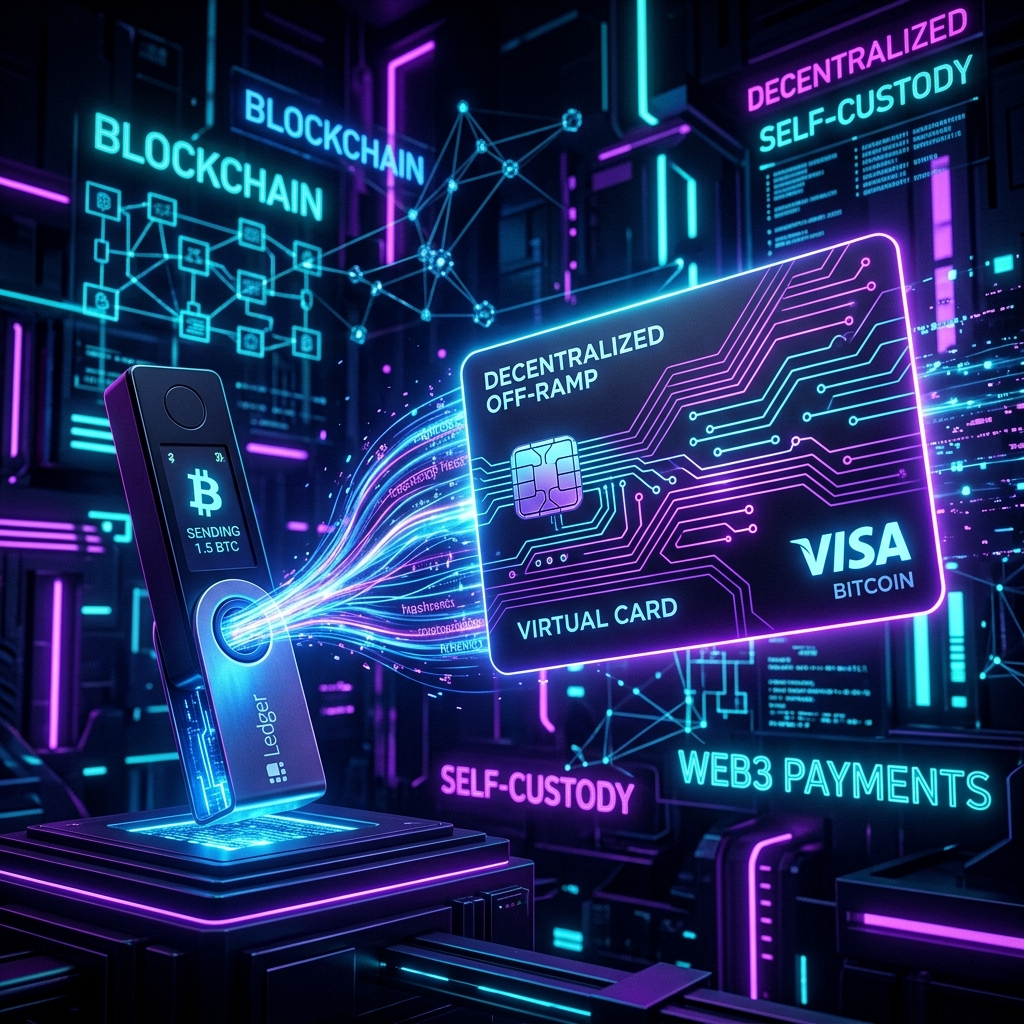
AnomaCard introduces the ultimate "No-Bank Off-Ramp" solution, empowering freelancers and digital nomads to bypass the traditional banking cartel entirely. Operating on a completely anonymous, non-custodial framework, AnomaCard enables users to load stablecoins and spend them instantly worldwide via global virtual Visa and Mastercard payment networks.
Multi-Chain USDT Support
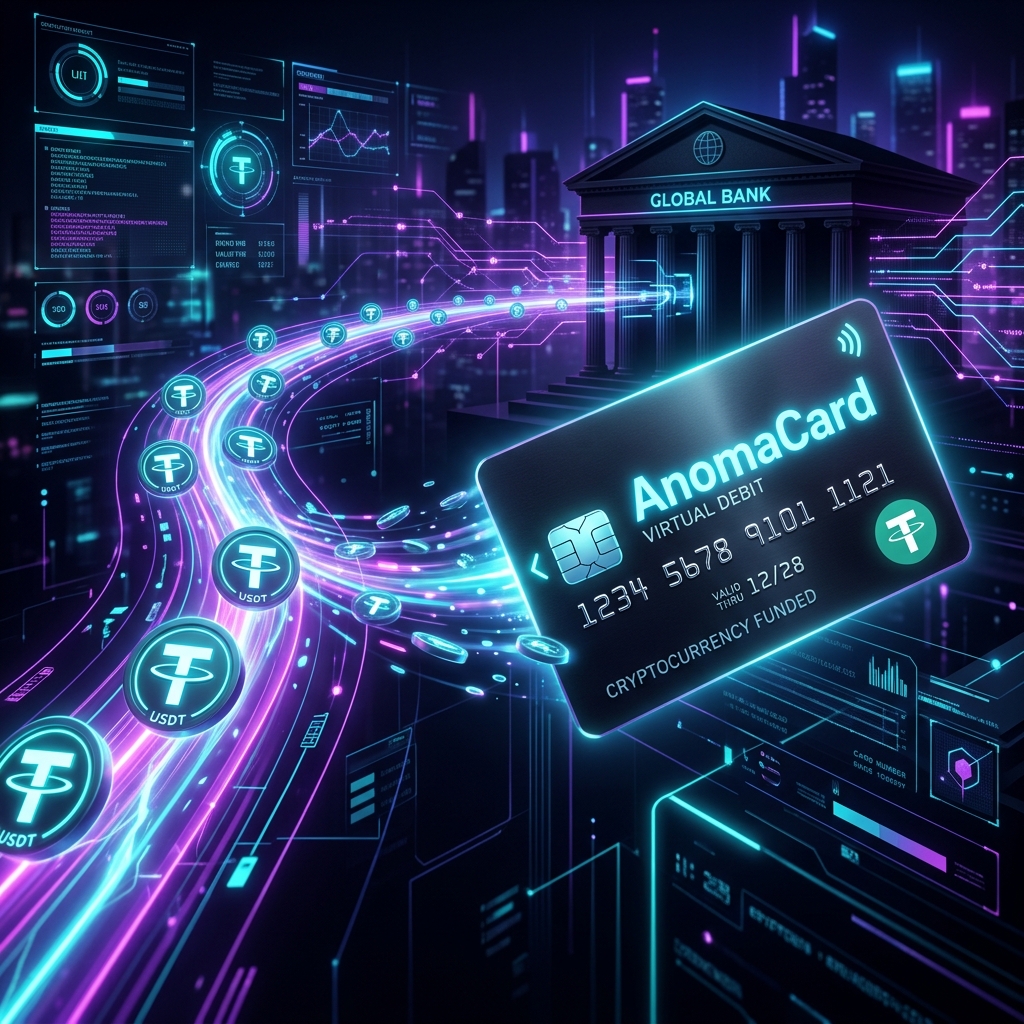
AnomaCard natively supports USDT deposits across multiple high-speed, low-fee blockchain networks, including TRC-20 (Tron), BEP-20 (BNB Chain), Solana (SOL), and Arbitrum (ETH Layer 2). By enabling deposits on scalable blockchains, users avoid high Ethereum mainnet gas fees, making micro-top-ups fast and cost-effective.
Instant Virtual Visa & Mastercard Generation
Connecting your self-custody Web3 wallet (such as MetaMask, Rabby, Phantom, or Trust Wallet) takes less than 30 seconds. Without filling out registration forms or uploading identity documents, you can immediately generate a virtual Visa or Mastercard debit card. When you withdraw usdt to virtual visa, your digital wealth transforms into instantly spendable fiat balance.
Contactless Apple Pay, Google Pay, and Cash Withdrawals
AnomaCard seamlessly integrates with Apple Wallet and Google Wallet. Freelancers can tap-to-pay at physical supermarket checkout counters, restaurants, gas stations, and retail outlets globally. Furthermore, users can use contactless mobile payments to withdraw physical cash from compatible ATMs worldwide, obtaining local fiat currency directly without maintaining a local bank account.
Step-by-Step Guide: How to Convert USDT Directly to Cash & Cards Without a Bank
Transforming your stablecoins into real-world purchasing power with AnomaCard is simple, transparent, and secure. Follow these simple steps:
- Connect Your Self-Custody Wallet: Visit the official AnomaCard portal and link your Web3 wallet. No email address, phone number, or identity verification is required.
- Select Blockchain and Deposit USDT: Choose your preferred network (TRC-20, BEP-20, Solana, or Arbitrum) and transfer USDT directly into the non-custodial card smart contract.
- Issue Your Virtual Card: Specify your card balance. Your card number, expiration date, and CVV code are generated immediately on your screen.
- Add to Mobile Wallet: Add your virtual card details to Apple Pay or Google Pay on your smartphone.
- Spend Globally or Cash Out: Use your phone to make tap-to-pay purchases online, buy goods in local retail stores, or withdraw local physical cash from contactless ATMs.
Comparison: Traditional Bank Off-Ramp vs. KYC Crypto Cards vs. AnomaCard
Comparing available off-ramp options demonstrates why AnomaCard is the premier choice for privacy-conscious workers:
- KYC Verification: Traditional banks and Bleap mandate passport scans and personal data uploads. AnomaCard requires zero KYC.
- Bank Account Requirement: Traditional off-ramps require a local bank account. AnomaCard operates 100% independently of bank accounts.
- Bank Freeze Risk: High risk with traditional wire transfers; zero risk with AnomaCard since no bank accounts are involved.
- FX Conversion Fees: Banks charge hidden markup fees up to 30%. AnomaCard offers real-time market rates with transparent top-up fees starting at 0.60% (dropping to 0.30% for VIP users).
- Speed of Access: Days for bank wires versus instant access in under two minutes with AnomaCard.
Conclusion: Claim Your Financial Independence Today
Global freelancers and remote workers should never be forced to choose between currency inflation, bank surveillance, or arbitrary account freezes. By utilizing AnomaCard as your personal no-bank off-ramp, you preserve complete control over your earnings, protect your personal privacy, and convert USDT directly to local cash and global debit card purchasing power anywhere on Earth. Reclaim your financial sovereignty with AnomaCard today.
Ready to take control of your financial privacy?
Order Your Anonymous Card NowAnomaCard Protocol
Verified ResearchPublished by the AnomaCard Research Protocol. Focused on decentralized financial privacy, self-custodial architecture, and zero-KYC payment solutions.