Trust Wallet to Apple Pay: Spend Crypto Without KYC (2026)
The Trust Wallet Paradox: Buying vs. Spending in the Real World
For more than 140 million cryptocurrency enthusiasts across the globe, Trust Wallet serves as the primary gateway to decentralized finance (DeFi). Praised for its multi-chain compatibility, self-custodial architecture, and intuitive mobile interface, the wallet allows users to securely hold thousands of digital assets across Ethereum, BNB Chain, Solana, and Bitcoin. Recently, Trust Wallet made headlines by deepening its integration with Apple Pay, enabling users across 45 countries to easily purchase digital assets directly through iOS payment rails. This frictionless on-ramp was hailed as a major milestone for mainstream adoption.
However, this integration revealed a glaring paradox that continues to frustrate millions of active users: while you can effortlessly buy cryptocurrency using Apple Pay inside Trust Wallet, you cannot spend your crypto holdings from Trust Wallet at real-world checkouts. There is no official Trust Wallet debit card. When holders of Tether (USDT ERC-20), Ethereum (ETH), or Bitcoin (BTC) want to pay for groceries, buy dinner at a restaurant, or book flights, they find themselves completely stranded within a closed digital ecosystem. To spend their own capital, users are forced into slow, expensive, and privacy-invasive off-ramping procedures.
Why Centralized Exchange Off-Ramps Ruin the Web3 Experience
Historically, the default solution for spending assets held in Trust Wallet meant sending tokens to a centralized exchange (CEX) like Binance, Coinbase, or Kraken. Yet, this approach undermines the foundational principles of self-custody and personal financial sovereignty:
- Invasive KYC Surveillance: Centralized exchanges require intrusive identity verification, including government passports, live facial recognition scans, proof of residence, and tax identification numbers. Tying private on-chain wallet addresses to permanent centralized databases creates catastrophic privacy risks and invites identity theft.
- Account Freezing & Compliance Delays: Centralized exchanges frequently flag incoming transactions from self-custodial wallets. Algorithmic compliance systems often freeze funds for days or weeks, demanding detailed proof-of-wealth documentation before allowing fiat withdrawals.
- Double Transaction Fees & Slippage: Moving funds from Trust Wallet to a CEX incurs network gas fees, exchange deposit fees, trading spread markups, and fiat withdrawal fees to a traditional bank account, severely depleting purchasing power.
The Solution: Connecting Trust Wallet to a Zero-KYC Virtual Visa Card
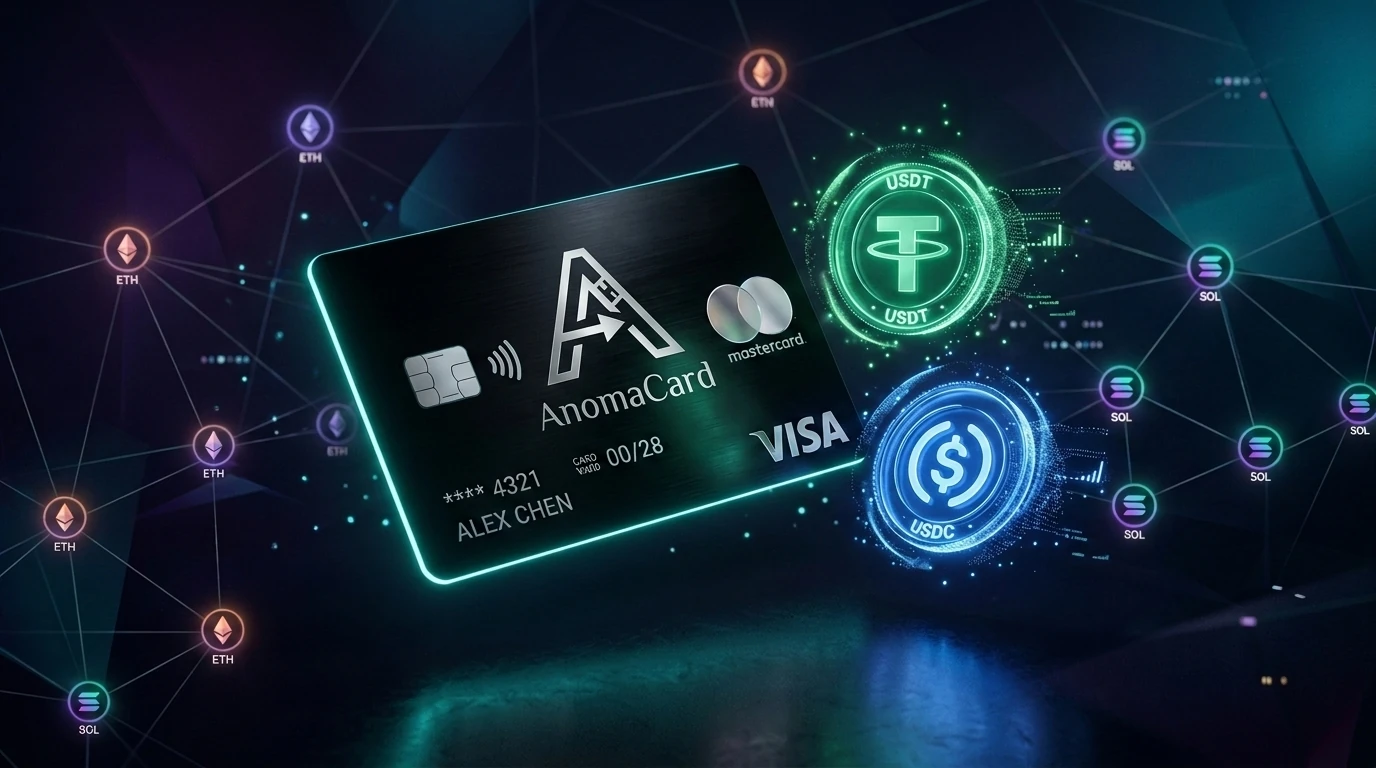
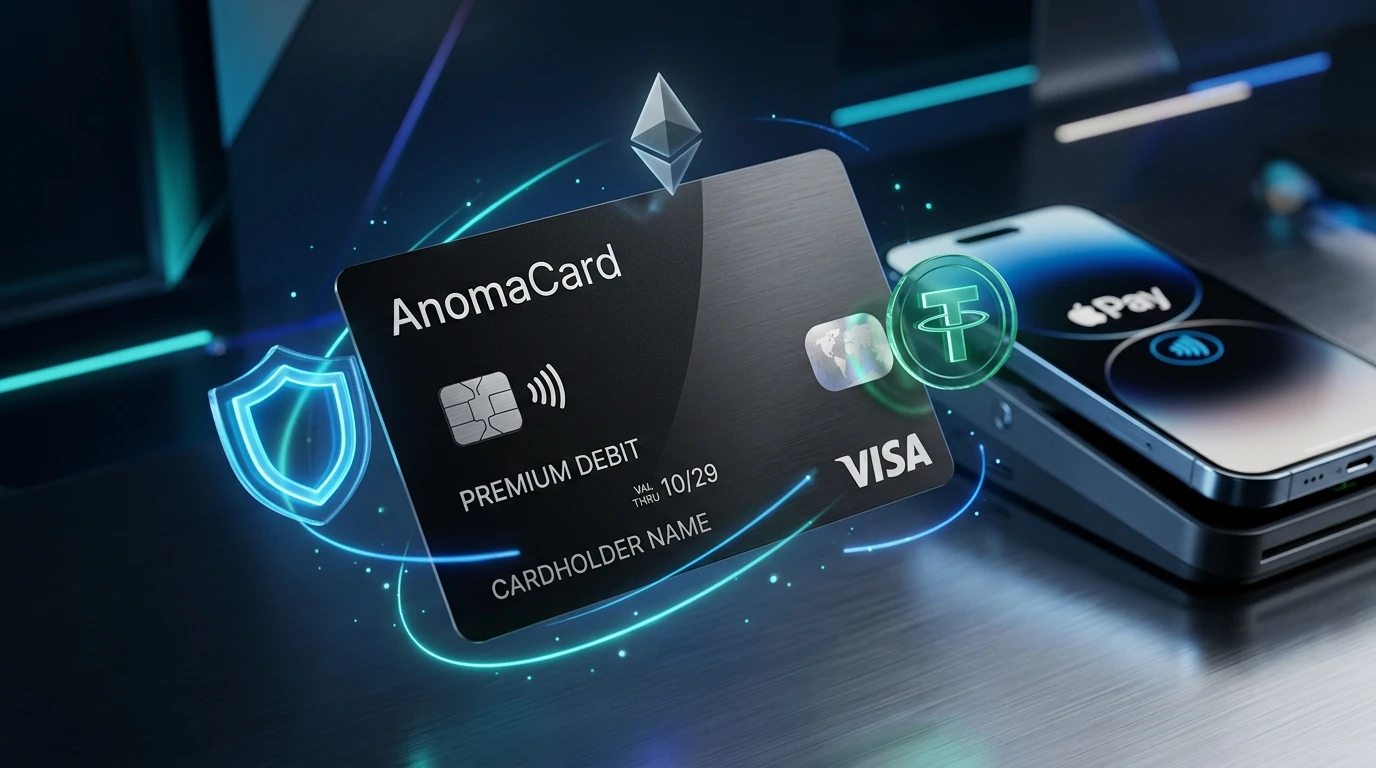
Rather than liquidating assets through banking intermediaries, forward-thinking Web3 users utilize decentralized virtual card protocols like AnomaCard. By pairing self-custody with international payment rails, users convert crypto balances into instant purchasing power accepted at over 80 million Visa and Mastercard merchants globally without completing identity verification.
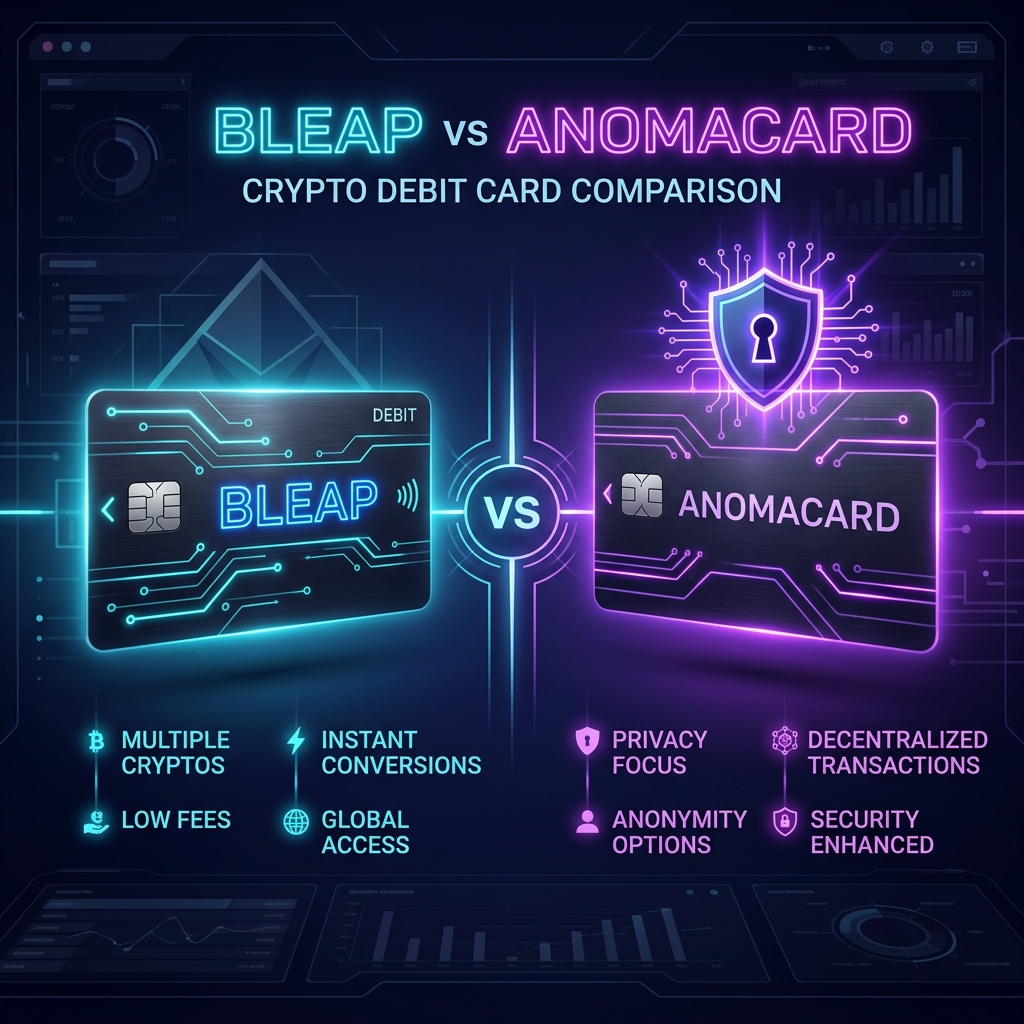
| Feature / Metric | Trust Wallet Native | Centralized CEX Off-Ramp | AnomaCard Protocol |
|---|---|---|---|
| Debit Card Issuance | No native card available | Physical/Virtual card available | Instant Virtual Visa in 60s |
| Identity Check (KYC) | Self-custody (No KYC for wallet) | Mandatory passport, selfie & utility bill | 100% Zero-KYC / No ID needed |
| Apple Pay POS Spending | Buy crypto only (No POS spending) | Restricted by regional bank rules | Instant Tap-to-Pay Worldwide |
| Multi-Token Support | All blockchains supported | Custodial wallet deposits | ETH, BTC, SOL, USDT & USDC |
| Account Freeze Risk | Zero (Self-custody) | High (Algorithmic risk freezes) | Zero (Non-custodial smart architecture) |
Step-by-Step: Spend Trust Wallet Assets via Apple Pay in 60 Seconds
Connecting your Trust Wallet balance to everyday point-of-sale merchant terminals requires no technical complexity and zero personal disclosures:
- Generate a Dedicated Non-Custodial Deposit Address: Open the AnomaCard portal and select your preferred deposit asset—such as Ethereum, Solana, or Bitcoin. The protocol cryptographically creates a personal deposit address. You are never asked for your legal name, residential address, email, or telephone number.
- Transfer Funds Directly from Trust Wallet: Open your Trust Wallet app on iOS or Android, select your asset (e.g., USDT ERC-20, ETH, or SOL), and scan the displayed QR code. Thanks to automated smart contract indexing, funds arrive and credit your active card balance after a single network confirmation.
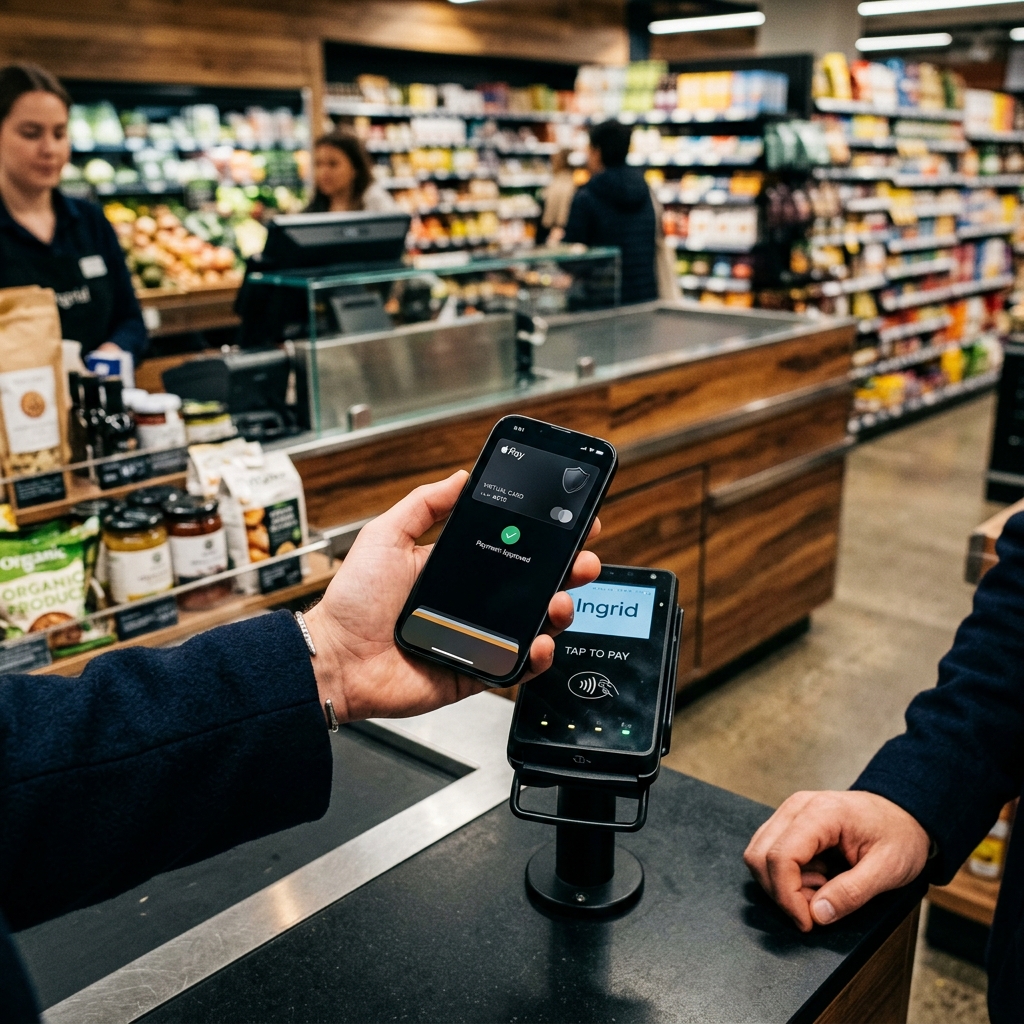
- Provision Card into Apple Wallet: Instantly view your 16-digit card number, security CVV, and expiration date. Click the one-tap provisioning button to add the virtual Visa or Mastercard directly into Apple Wallet on your iPhone or Apple Watch.
Real-World Utility: Where Can You Spend Your Crypto Balance?
Once provisioned inside Apple Pay or Google Pay, your virtual crypto card functions seamlessly across daily commercial activities:
- Supermarkets & Daily Groceries: Pay for food and household goods at Carrefour, Whole Foods, Rewe, Tesco, or local grocery stores simply by tapping your iPhone against the contactless terminal.
- Dining & Restaurants: Settle dining bills, visit cafes, or order food delivery online without worrying about exchange markups or merchant payment rejections.
- Travel, Airlines & Hotels: Book flights with major global carriers and reserve accommodations through Booking.com or Airbnb while keeping your primary bank accounts shielded from fraud.
- Digital Subscriptions & Cloud Services: Seamlessly pay for recurring online services, ChatGPT Plus, developer hosting, and software tools with complete personal financial privacy.
Financial Sovereignty: Maintaining Your Privacy in 2026
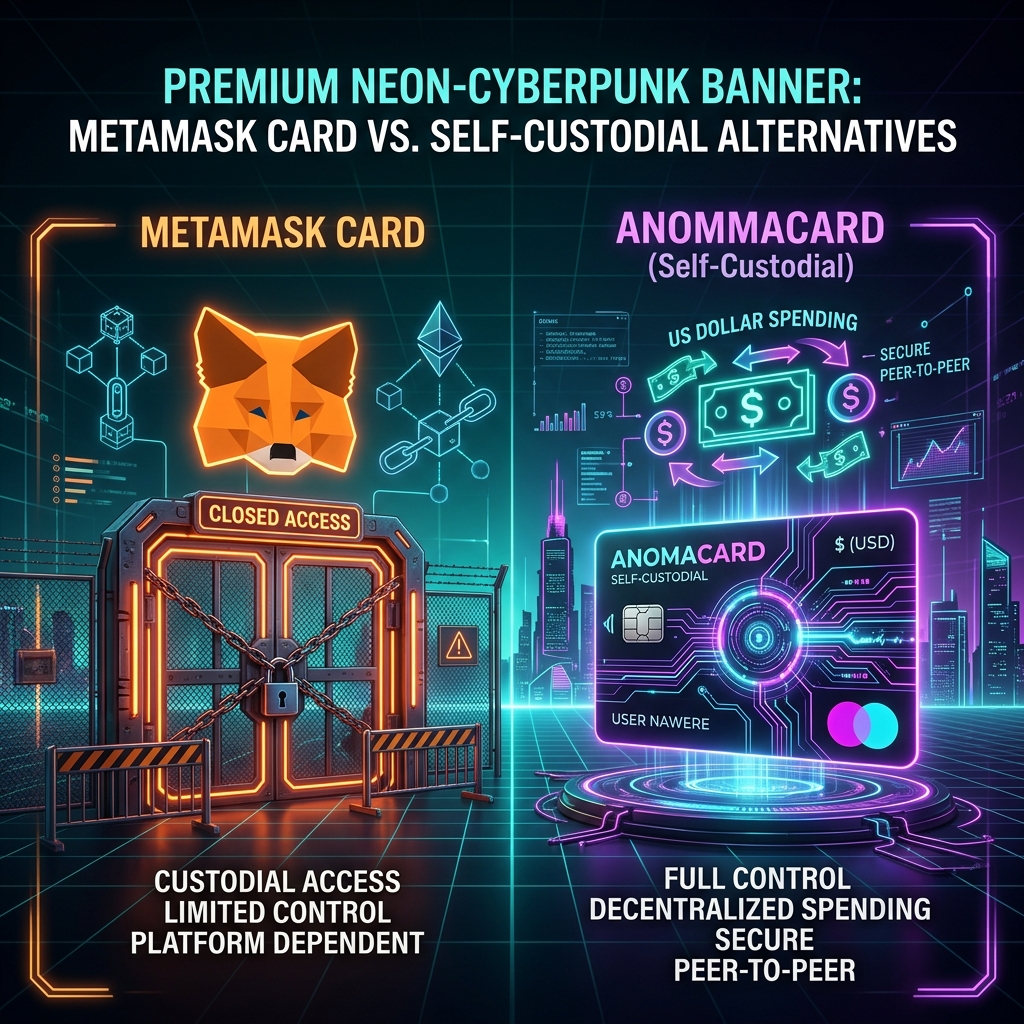
The true promise of decentralized finance is not merely accumulating digital wealth in private wallets—it is the freedom to use that wealth in everyday life without answering to centralized gatekeepers. Trust Wallet provides exceptional security for storing private keys, but true financial independence requires an equally sovereign spending bridge. By pairing Trust Wallet with an anonymous, non-custodial virtual card, you preserve the firewall between your digital identity and traditional banking surveillance. You spend your crypto anywhere Visa is accepted while keeping full control over your privacy and assets.
Ready to Spend Your Trust Wallet Crypto with Apple Pay?
Generate your virtual Visa or Mastercard in 60 seconds using ETH, BTC, SOL, or USDT. 100% KYC-free, globally accepted, with instant Apple Pay and Google Pay integration.
Create Your Card Instantly →Frequently Asked Questions (FAQ)
Does Trust Wallet offer an official debit card for spending crypto?
No. Trust Wallet does not issue an official debit card. While users can purchase cryptocurrency via Apple Pay inside the app, spending crypto requires pairing your wallet with a non-custodial card protocol like AnomaCard.
Do I need to reveal my Trust Wallet seed phrase or private keys?
Never. AnomaCard generates independent non-custodial deposit addresses. You simply send a standard on-chain transaction from your wallet. You never connect a sensitive signer or share private keys.
Which tokens can I send from Trust Wallet to fund the virtual card?
You can fund your card using Ethereum (ETH), Tether (USDT on ERC-20 and Solana SPL), USD Coin (USDC), native Solana (SOL), and Bitcoin (BTC). Balances credit after one confirmation.
Can I withdraw unspent funds back to my Trust Wallet?
Yes. Any remaining cryptocurrency balance that has not been converted for active card transactions can be easily withdrawn back to your self-custodial wallet at any time.
AnomaCard Protocol
Verified ResearchPublished by the AnomaCard Research Protocol. Focused on decentralized financial privacy, self-custodial architecture, and zero-KYC payment solutions.